Robert Triggs / Android Authority
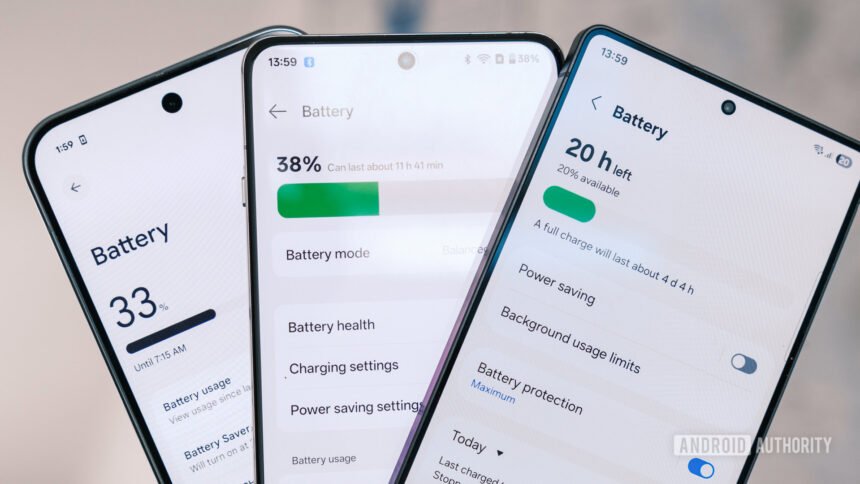
You’re not alone if you’re pining for longer battery life from your latest smartphone. Despite emerging technologies like silicon-carbon cells, we’ve seemingly hit a ceiling just above the 5,000 mAh mark — at least for phones sold in the US and Europe. Meanwhile, glance over at models in China or India, and you’ll spot far larger batteries in otherwise identical handsets.
For example, the new Nothing Phone 3 packs a 5,150mAh battery globally, but bumps that up to 5,500mAh in India. The HONOR Magic 7 Pro goes from 5,270mAh in Europe to 5,850mAh in China, and the Xiaomi 15 Ultra stretches from 5,410mAh globally to a massive 6,000mAh in its domestic market. So what gives? Why can’t we have these same huge battery capacities on the other side of the world too?
Wouldn’t you know it? Regulation and red tape are to blame
Rita El Khoury / Android Authority
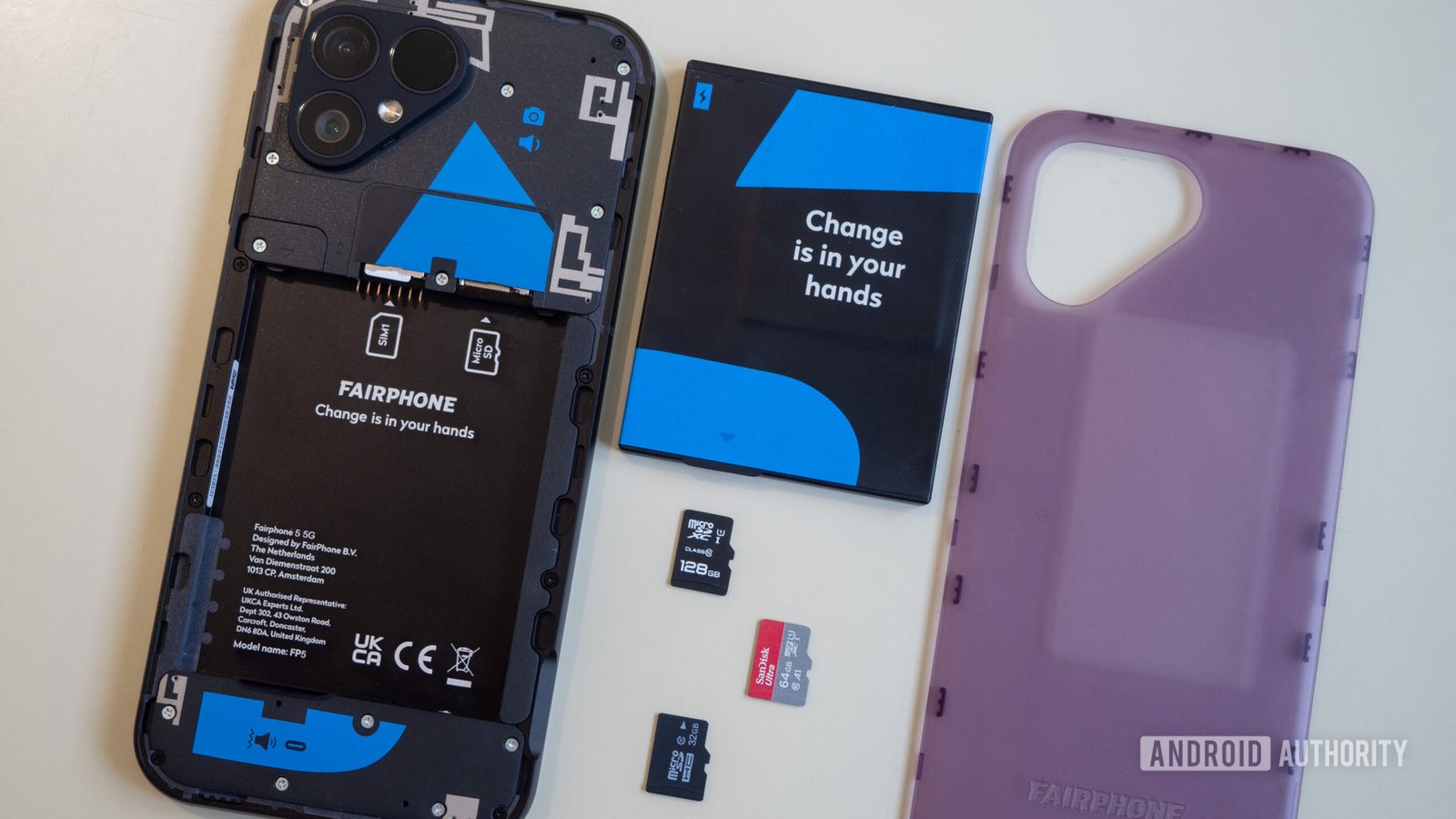
If you’ve ever attempted to ship a phone by post in Europe or the US (and probably many other countries too), you might have been interrogated by the postmaster about the size of the battery and whether it’s sealed in the device. That’s because many countries treat lithium-ion batteries as hazardous goods, with strict rules on how they’re packaged and transported. The same rules apply — often even more stringently — to commercial shipments moving by air, road, rail, or sea.
Several major international regulations govern this. In Europe, there’s the ADR (covering road transport), RID (rail), and IMDG (sea). For air shipments, carriers follow the International Air Transport Association’s (IATA) Dangerous Goods Regulations (DGR) and the International Civil Aviation Organization (ICAO) rules. In the US, there’s also the Code of Federal Regulations, 49 CFR § 173.185, which lays out similar requirements, and other nations sometimes have their own rule variations.
All of these regulations ultimately trace back to the UN’s Model Regulations, which define lithium-ion batteries as either UN3480 (batteries shipped on their own) or UN3481 (batteries packed with or inside equipment). But the most important piece is UN Special Provision 188, which sets a threshold for what’s considered a “small” lithium-ion battery that can be shipped under simplified rules. That limit is 20Wh (watt-hours) per cell, and it’s mirrored in the ADR, IMDG, IATA, and other international rules that govern global transportation networks. For context, there’s also a 100Wh limit for a complete battery pack before stricter transport classifications kick in — but that’s more relevant for laptops and power banks.
International transport rules cap single-cell li-ion capacity at 20Wh, roughly 5,300mAh.
A 20Wh cap might sound large, but it’s tied to the battery’s voltage. For a typical lithium-ion cell with a nominal voltage around 3.8 V, this works out to roughly 5,300mAh per cell — which is about where most modern smartphone batteries in Europe and the US max out. That’s why you might notice slightly smaller battery capacities in these markets compared to some models sold in countries with fewer shipping constraints.
While these rules might be annoying from a consumer product perspective, they exist for a very good reason. Lithium-ion batteries pack a lot of energy into a small space, which is what makes them so good for powering phones and laptops, but it also means they can pose a fire risk if damaged, short-circuited, or exposed to heat.
We’ve all seen the exploding phone horror stories due to thermal runaway. Shipping regulations are designed to minimize these risks by limiting the size of batteries that can travel under simpler, less costly rules, alongside the UN38.3 altitude, vibration, and thermal tests that all lithium batteries must pass to prove they can be transported safely. By capping battery energy at 20Wh per cell for simplified transport, authorities reduce the chances of large-scale fires in trucks, ships, or aircraft cargo holds, which helps keep insurance costs down as well. Bigger batteries aren’t banned outright, but they require more protective packaging, special documentation, and sometimes dedicated cargo handling to keep people and property safe.
Why do some phones still have 6,000mAh batteries?
Joe Maring / Android Authority
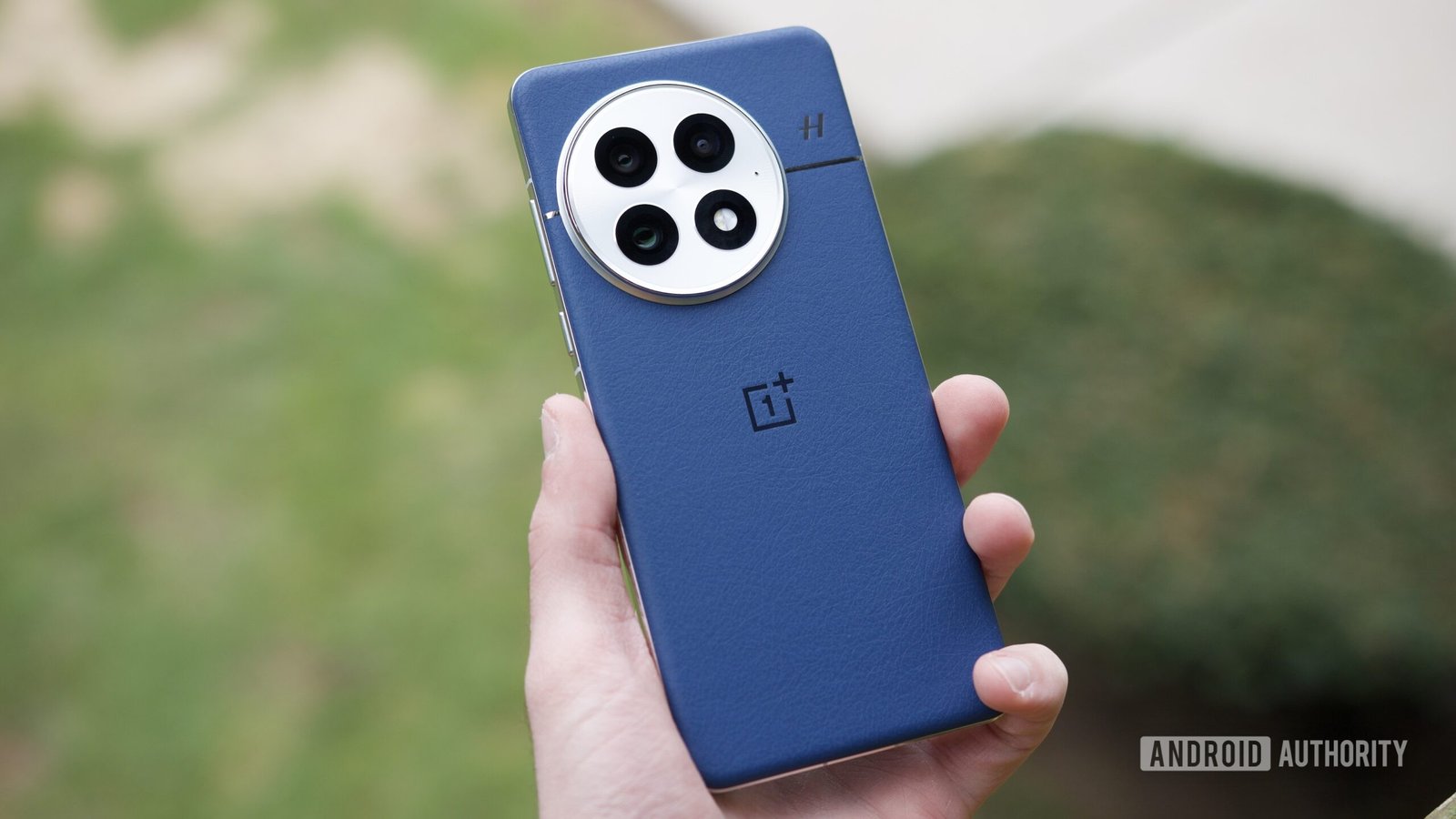
Did you spot the lawyer’s way out of this conundrum? The 20Wh rule applies to single battery cells, but you can skirt this restriction if you pack two (or more) batteries together inside a gadget. Some smartphones have sported split-cell designs for more efficient fast charging for a number of years now, most noticeably from BBK brands OnePlus and OPPO. Hence, you’ll still find a colossal 6,000mAh battery stateside with the OnePlus 13, and the OPPO Find X8 Pro makes its way to Europe with its 5,910mAh cell intact.
But that’s not exactly a cheap solution; not only does it require multiple cells, but special circuitry to handle charging and discharging safely. Not every brand is willing to invest in that, which is one reason why Apple, Google, Samsung, and many others haven’t pushed ahead with quite as large capacities as some of their Chinese competitors. Still, laptops have long used multiple smaller cells wired together to stay safely under the 100Wh pack limit, which is why we rarely see them run into shipping issues. Our smartphones will have to follow suit if we want to take another leap up in capacity.
More expensive split-cell designs are one way to boost phone battery life to new highs.
When it comes to phones manufactured and sold in China, the products move entirely internally, so many of the rules that govern international shipping don’t apply or aren’t enforced as strictly. Likewise, land transportation between China and its neighbours, along with localized manufacturing, helps explain why we occasionally see some larger capacity models make their way outside of China as well.
If you really want bigger batteries in your gadgets, we will either have to pay the premium for split cell designs, fork out for the cost, liability, and insurance premiums for shipping bigger batteries, or start manufacturing them locally. That latter point obviously isn’t going to happen, so we might be snookered, which will unfortunately reduce the scale of the battery-life breakthroughs being made by technologies like silicon-carbon batteries.