Dementia is now the leading cause of death in Australia.
About 446,000 people currently live with a brain condition that may affect their memory, thinking and behaviour. And this number is projected to almost double by 2065.
That sounds frightening, especially as we age or watch loved ones get older. But dementia risk isn’t just the result of genetics, old age or bad luck.
Rather, research suggests up to 40 per cent of dementia cases worldwide may be linked to lifestyle factors we can change. One of these may be what hobbies you have.
So why are hobbies good for the mind? And which ones will help keep your brain sharp?
The latest Lancet Commission on dementia prevention, intervention and care pooled data from many large studies around the world.
It identified 14 modifiable risk factors for dementia at different stages of life. This means if you avoid or reduce these factors, you may be less likely to have dementia in older age.
The 14 factors include:
- less education in early life
- hearing loss
- lack of exercise
- obesity
- diabetes
- high cholesterol
- high blood pressure, particularly in mid-life
- smoking, particularly in adulthood
- excessive alcohol consumption
- untreated vision loss
- air pollution
- traumatic head injury
- depression
- social isolation
Importantly, none of this means you are to blame if you develop dementia. But this research suggests our everyday choices are not trivial, and may help keep our brains healthy for longer.
Keeping your brain active
Researchers often explain these findings using the term “cognitive reserve”. This is the idea that education, engaging work and other mentally stimulating activities create more neural connections in your brain. This may mean you are better at solving problems or doing complex tasks.
People with higher cognitive reserve often deal better with age-related changes or disease in the brain, even before other symptoms such as memory loss become obvious.
Research suggests hobbies and leisure activities could help boost your cognitive reserve. One systematic review found people who regularly took part in leisure activities had a significantly lower risk of developing dementia, compared to those who did not.
The researchers separated these activities into three categories – physical, such as walking, cognitive, such as puzzles, and social such as joining a club – and found all were associated with reduced dementia risk.

Is there a single ‘magic’ hobby?
It’s not that simple, according to current research.
One large Japanese study followed more than 22,000 people without dementia over an 11-year period. It found those who reported having at least one hobby in mid-life had about a 19 per cent lower risk of developing “disabling” dementia – meaning their condition interferes with daily life or requires care – compared with participants who didn’t. And those with several hobbies did even better. Having multiple hobbies was associated with about a 23 per cent reduction in dementia risk. However, no particular kind of hobby appeared to reduce dementia risk more than others.
About the authors
Ruth Brookman is a Research Fellow for the MARCS Institute for Brain, Behaviour & Development at Western Sydney University. Celia Harris is an Associate Professor in Cognitive Science at Western Sydney University. This article is republished from The Conversation under a Creative Commons license. Read the original article.
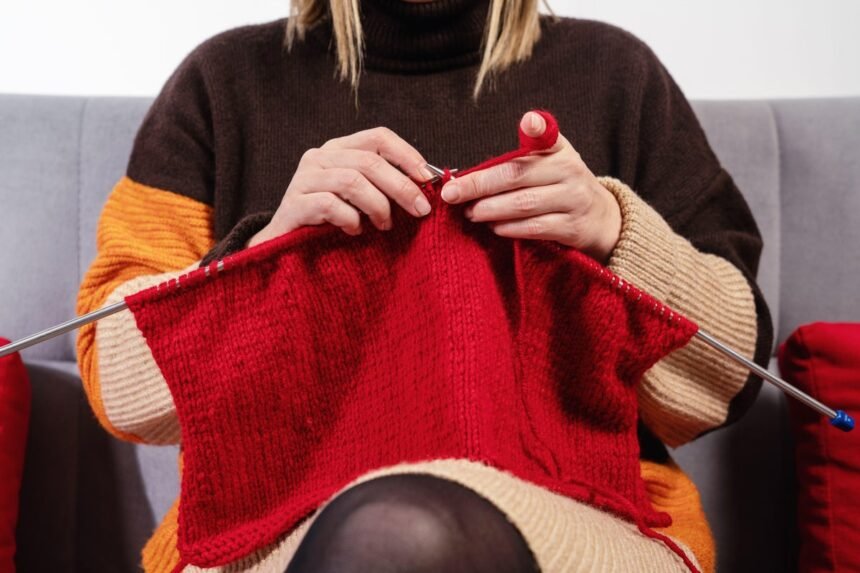
Australian research has come up with similar findings. One 2023 study found certain literacy and critical thinking tasks – such as writing, solving puzzles or using a computer – were linked to a 9–11 per cent lower dementia risk. Creative activities such as knitting or woodworking were associated with about a 7 per cent reduction. Again, no single hobby came out as the top dementia-preventing activity.
This is reassuring, as you don’t have to choose the “perfect” hobby, but one that you enjoy and can do regularly.
Bundling the benefits
Research suggests hobbies help reduce dementia risk because they bring together several ingredients that support overall brain health. These include:
- cognitive challenge, such as learning new skills and solving problems, which is associated with higher cognitive reserve
- physical activity, such as dancing and gardening, which has been shown to be one of the most robust protective factors for brain health
- reduced stress, as conditions such as depression and chronic stress are linked to higher dementia risk
- social connection, due to social isolation being a major risk factor for dementia, particularly in older age.
To bundle these ingredients, consider the example of playing cards. Playing solitaire on your phone might tick the cognitive box. But organising a weekly card night with friends adds movement, stress relief – in the form of laughter – and social connection. From a brain‑health perspective, the second option is much more appealing, even though the hobby is the same.
But if you prioritise any one ingredient, social connection should be top of your list. Current evidence suggests social isolation is one of the strongest predictors of dementia risk, alone accounting for about 5 per cent of dementia cases. One long‑running study found older people who were not socially active developed dementia symptoms roughly five years earlier than their socially active peers.

So, how can I keep my brain healthy?
Hobbies are not a silver bullet against dementia. But they are one practical – and enjoyable – way to reduce several risk factors at once.
If you’re choosing a hobby, particularly to boost your brain health, here are some questions to ask yourself:
- will this hobby challenge me mentally?
- will it get me moving on a regular basis?
- will it lift my mood, or give me a sense of pleasure or purpose?
- will it help me see, talk or connect with other people?
The more “yes” answers you can give, the more your hobby is likely to keep your brain healthy and engaged.