Rachel Reeves has been given her strongest warning yet that she will have to break a key party manifesto pledge by hiking taxes, introducing charges to use the NHS or drop the triple lock guarantee on the state pension.
The beleaguered chancellor raised taxes by £40bn in her first Budget last year, partly to fund record new investment in the NHS.
But now the world’s most important financial watchdog has warned that she will probably have to break an election promise to raise “taxes on working people” – income tax, VAT or national insurance contributions by employees to balance the books.
In a report on the UK economy – Article IV Consultation with United Kingdom – the International Monetary Fund warned: “Unless the authorities revisit their commitment not to increase taxes on ‘working people’, further spending prioritisation will be required to align better the scope of public services with available resources.”
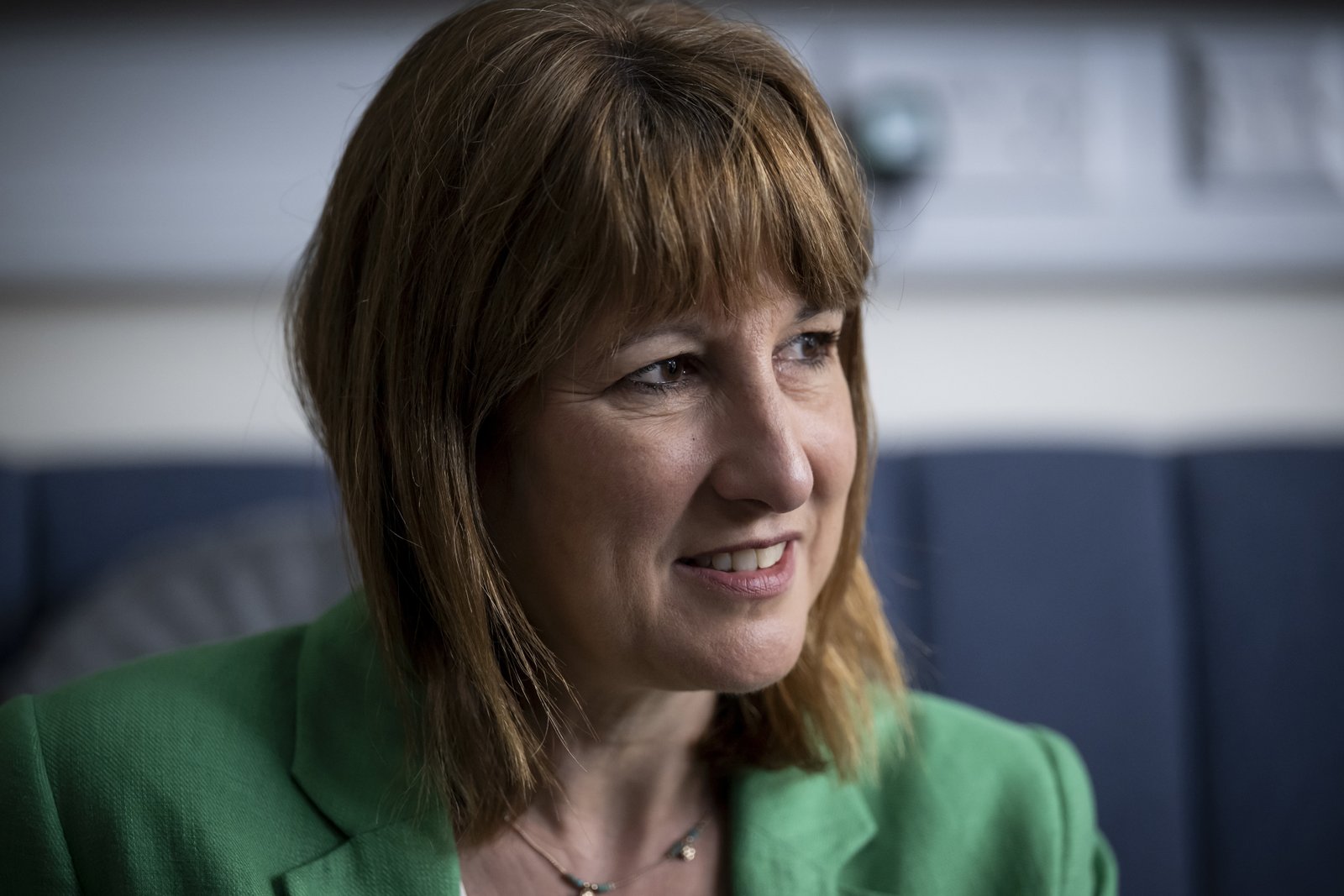
It went on: “The triple lock [guarantee on the state pension] could be replaced with a policy of indexing the state pension to the cost of living.
“Access to public services could also depend more on an individual’s capacity to pay, with charges levied on higher-income users, such as co-payments for health services, while shielding the vulnerable.
“There may also be scope to expand means testing of benefits.”
The challenges Ms Reeves is facing, the IMF said, included the impact of Donald Trump’s continuing tariffs war with the rest of the world as well as “little fiscal headroom” in the UK finances.
The warning could not come at a worse time for the chancellor who is already facing heavy speculation that she could lose her job in a reshuffle as the economy continues to stagnate.
A tussle is going on within the government over a push to introduce wealth taxes which Ms Reeves has been unable to rule out. At the forefront of demands for a wealth tax is deputy prime minister Angela Rayner who sent the chancellor a memo with eight suggestions during the spending review.
Added to that it is feared that Ms Reeves will again freeze income tax thresholds dragging millions more into paying income tax and paying the higher 40p and 45p rates.
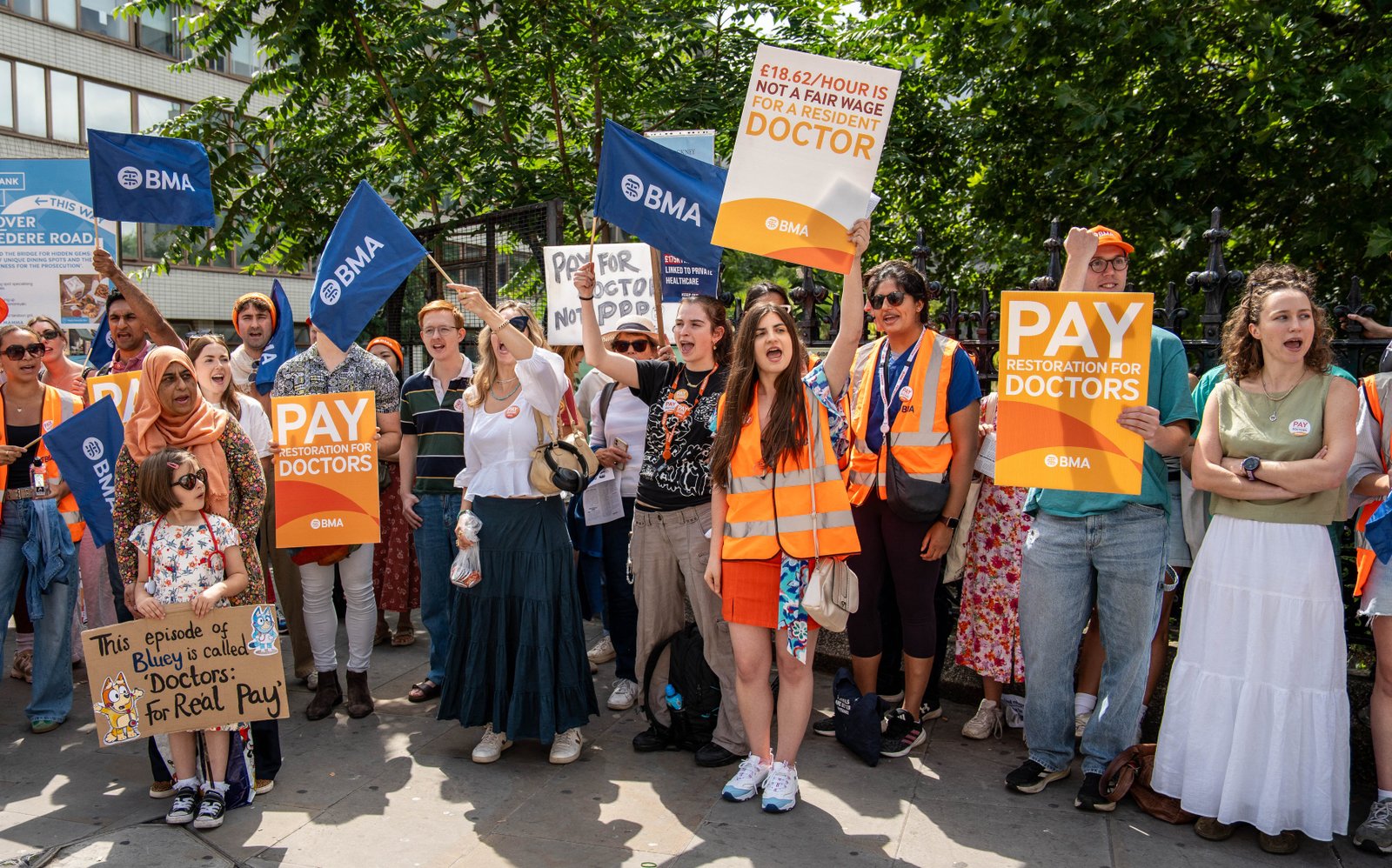
But with the doctors’ strike over a 29 per cent pay rise demand hitting the government this week with concerns that more could follow, Ms Reeves is also coming under further pressure from the unions to find extra money for wage packages with little financial flexibility.
The Treasury pointed out that the IMF had been complimentary of Ms Reeves’ overall strategy in the “Plan for Change”.
The IMF said: “The authorities’ fiscal plans strike a good balance between supporting growth and safeguarding fiscal sustainability. It will be important to stay the course and deliver the planned deficit reduction over the next five years.
It went on: “The authorities’ Growth Mission covers the right areas to lift productivity.”
But added:: “Given the breadth of the agenda, prioritizing and sequencing of structural reforms, along with clear communication, will be key to success.”
The UK was predicted to grow by just 1.2 per cent according to the report, although this was still up from previous levels.
Responding to the report, Ms Reeves said: “Today’s IMF report confirms that the choices we’ve taken have ensured Britain’s economic recovery is underway, and that our plans will tackle the deep-rooted economic challenges that we inherited in the face of global headwinds.
“Our fiscal rules allow us to confront those challenges by investing in Britain’s renewal. We’re committing billions of pounds into improving transport connections, providing record funding for affordable homes, as well as backing major projects like Sizewell C to drive economic growth. There’s more to do, and that’s why we’re slashing unnecessary red tape and unblocking investment to let British businesses thrive and put more money in working people’s pockets.”
Opponents seized on the report as yet more evidence that Ms Reeves’ strategy is not working.
Tory shadow chancellor Mel Stride said: “This is yet more confirmation that Labour’s mismanagement means yet more tax rises are coming in the autumn.
“The IMF’s conclusion is clear – the Chancellor has already maxed out the credit card, her only options are to cut spending or raise taxes. The welfare debacle showed Labour are completely incapable of reining in spending. Businesses and families must brace for an even higher tax burden.
“The IMF also confirm that Labour’s Jobs Tax means fewer jobs, lower wages and higher prices for working families.
“Be in no doubt, this mess is down to Labour’s choices, and it is the working people Labour claim to be protecting who are paying the price.”