
You sit down to start a task you care about. Nothing happens. You open your phone instead. Minutes turn into hours. You feel restless, flat, or oddly exhausted, even though you haven’t done much at all.
For many neurodivergent people, this cycle is painfully familiar. It’s often described as a motivation problem or a focus issue. But for those who are ADHD (attention deficit hyperactivity disorder) or autistic and ADHD (AuDHD), these experiences are closely linked to how dopamine – a vital brain chemical involved in motivation and reward – is regulated.
Due to this experience, some neurodivergent people have started to turn to a simple tool: the “dopamine menu”. Popularised in 2020 by Jessica McCabe, a YouTuber and ADHD advocate, a dopamine menu is a personalised list of activities that can help provide small, regular boosts of motivation and pleasure throughout the day.
For people who find themselves stuck or overwhelmed, it offers a structured way to access activities that feel rewarding or regulating. But to understand why this approach can be helpful, it is important to understand what dopamine is and how it works.
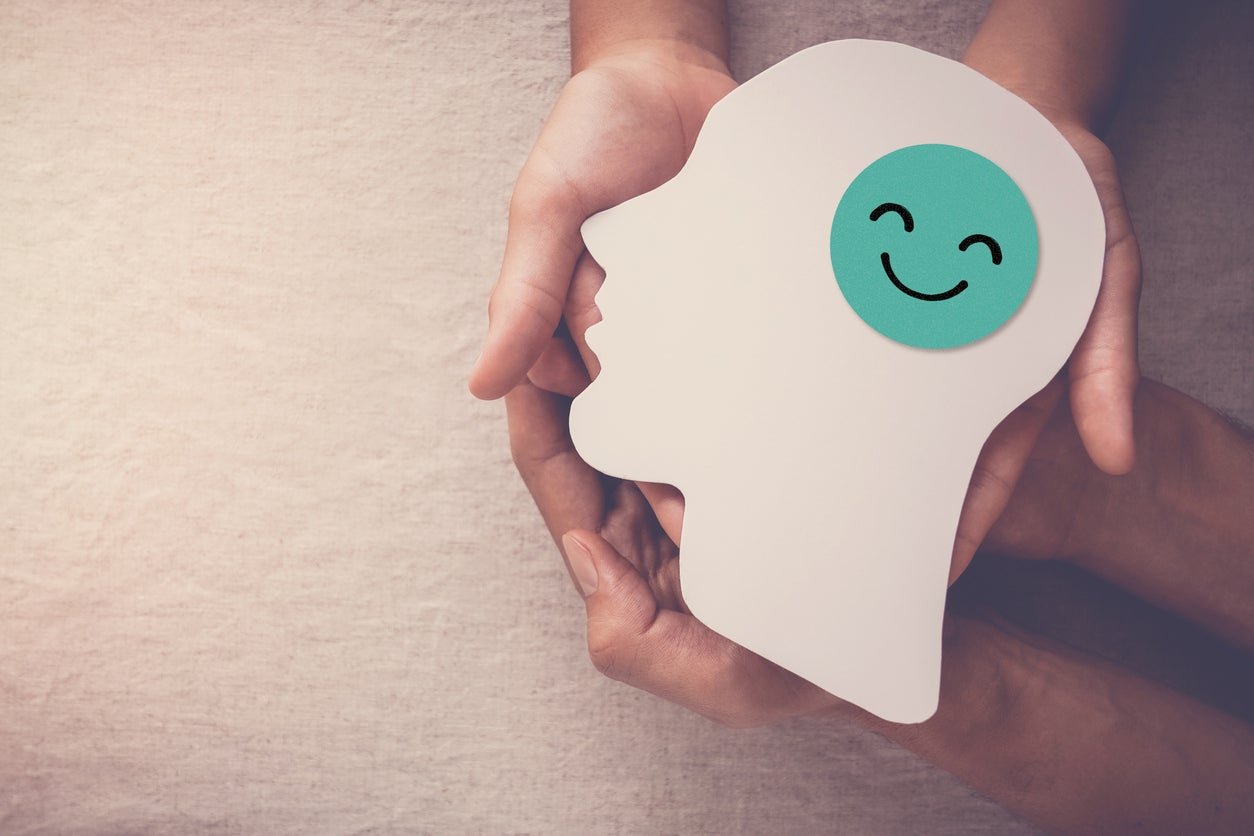
Dopamine is often referred to as the “feel-good” neurotransmitter, but this is an oversimplification. While it does play a role in pleasure, dopamine is also closely linked to motivation, anticipation and the ability to initiate and sustain tasks.
It is produced in three areas of the brain: the hypothalamus, substantia nigra and the ventral tegmental area. Outside the brain, it is also released from the adrenal glands, kidneys and gastrointestinal tract.
Dopamine is involved in multiple cognitive processes including learning, attention, mood regulation, focus, memory and reward. It also plays a role in pain perception, sleep and movement.
Dopamine is released in response to certain activities such as spending money, eating, drinking and sex. This dopamine “burst” reinforces that we like this activity and motivates us to do it again. Not all dopamine increases are equal. Some activities provide short, intense bursts, while others lead to more gradual and sustained changes.
Why this matters for neurodivergent people
Some neurodivergent people have a different relationship to dopamine than neurotypical people. The most discussed neurotype when it comes to dopamine is ADHD.
Research suggests that people with ADHD typically have a lower baseline level of dopamine, and may process it differently. This can lead to a greater drive to seek stimulation.
People with ADHD are also more likely to develop addictions, such as to substances, video games, gambling or the internet, and are at higher risk of relapse. This demonstrates the importance of appropriate, tailored support, rather than framing such behaviour as purely a matter of choice.
Regardless of neurotype, many people find themselves turning to quick, easily accessible sources of dopamine, such as scrolling on a phone. While these can provide short-term relief, they are often not satisfying in the longer term and may leave people feeling more depleted.
Designing your own sources of reward
This is where dopamine menus can be helpful. Rather than relying on a narrow set of high-intensity activities, a dopamine menu provides a wider range of options that can support more consistent regulation throughout the day.
In her 2020 video, Jessica McCabe describes dopamine menus in sections, although they can be adapted to suit individual needs.
“Appetisers” are small, quick activities such as watering plants or making a coffee. “Meals” are more substantial activities that take longer, such as going for a walk, cooking or playing a board game. “Sides” are additions that make less enjoyable tasks more appealing, such as adding music or a podcast. “Desserts” are enjoyable activities best used in moderation, such as scrolling on social media or watching television. While “specials” are less frequent, more novel experiences, such as attending an event, eating out or going on a trip.
The process of creating a dopamine menu starts with identifying activities you enjoy and considering how they might fit into your daily routine. Making these activities more accessible – for example, leaving a yoga mat out or preparing materials in advance – can reduce the effort required to get started. It can also be helpful to add small barriers to activities you are trying to reduce.
About the author
Rebecca Ellis is an Assistant Researcher in Public Health at Swansea University. This article was first published by The Conversation and is republished under a Creative Commons licence. Read the original article
What’s important is that dopamine menus are not to-do lists. They are optional, flexible and designed to reduce pressure rather than create it. By enabling us to decide in advance what feels supportive or enjoyable, they can reduce the cognitive load of choosing what to do in moments of low motivation.
So, rather than fixing a lack of motivation, dopamine menus offer a way of working with the brain’s natural rhythms, and creating space for small moments of energy, interest and ease throughout the day.