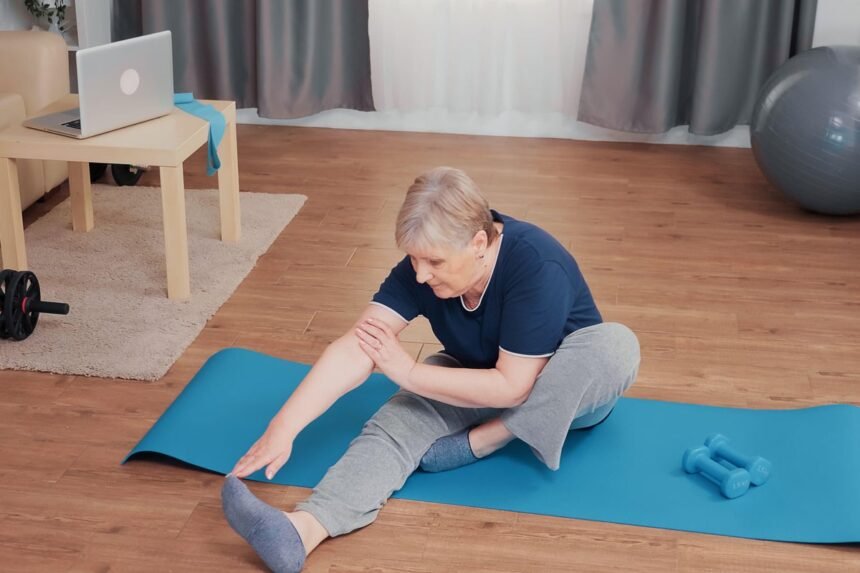
The pervasive nature of modern life often sees us spending far too much time seated, making the integration of more physical activity into our daily routines a crucial challenge.
As the colder weather takes hold, the temptation to retreat indoors and relax after a busy day is strong.
Yet, maintaining bodily movement remains paramount.
Prolonged periods of inactivity, particularly lounging, deny the body its crucial need for exercise.
When our activity levels approach a sedentary state, it signals an urgent requirement for lifestyle adjustments.
Keiren Douglas, personal trainer at Nuffield Health, has highlighted the potential risks a sedentary lifestyle can have on your health and has shared some great tips on how to gently increase your movement throughout the day.
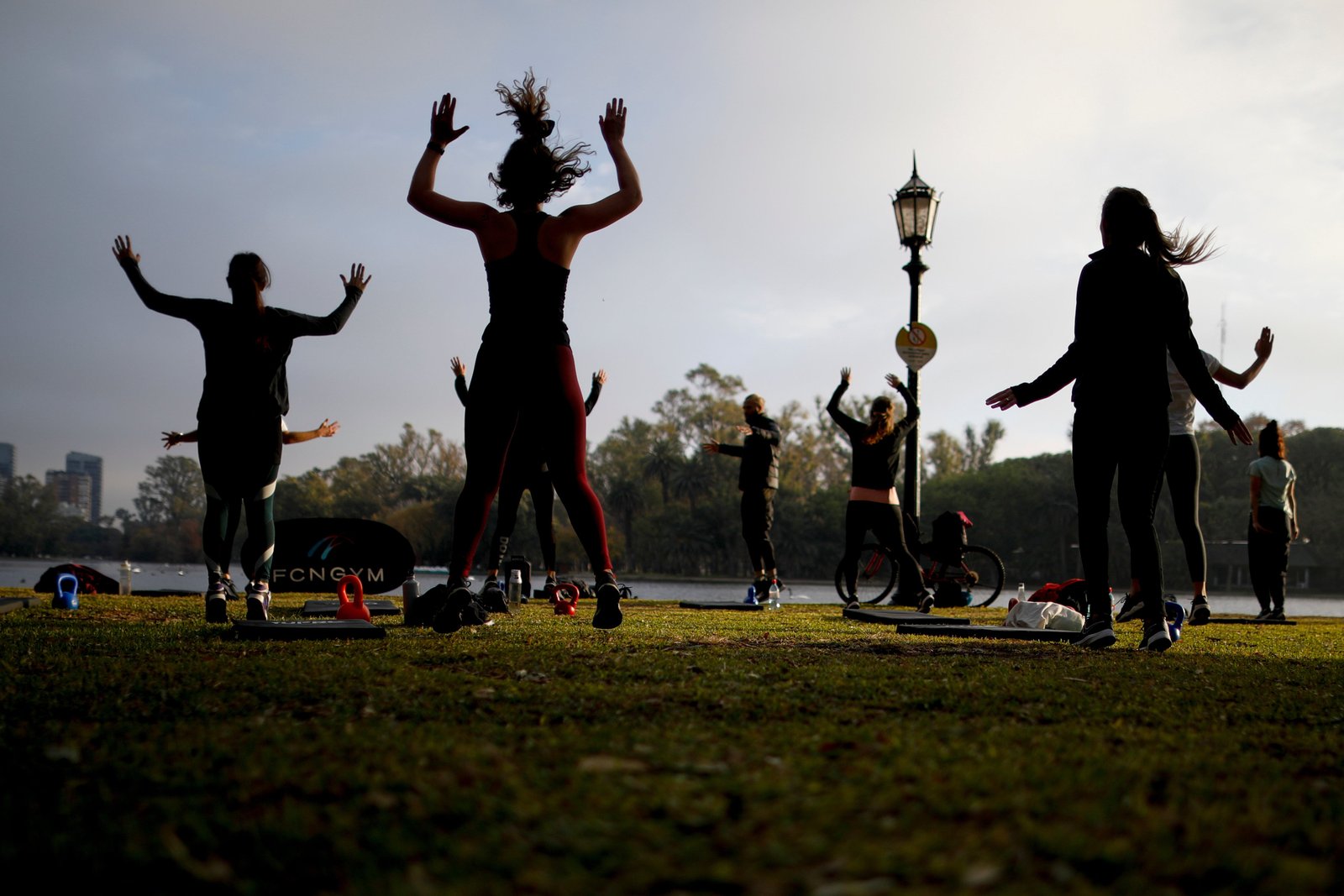
What is a sedentary lifestyle?
“A sedentary lifestyle is when a person spends most of their time lying down or sitting with very little movement in between resting periods,” says Douglas. “This could be at home, at the office or driving all day. This doesn’t apply to someone just having one rest day in the week, but more for someone who has less than 150 minutes of exercise of any kind in a week.”
How does sitting down for long periods of time affect the body?
“In the short term, prolonged periods of sitting can cause muscle stiffness, sore joints and reduced circulation from the lack of movement,” says Douglas. “You would also burn significantly less calories through the day and it is also likely to negatively affect your posture.”
In the long term, these effects accumulate and can lead to weight gain and subsequent health problems.
“You could see those postural issues turn into chronic neck, shoulder or back pain overtime,” says Douglas. “Too much sedentary behaviour can also lead to consistent lower energy levels and higher feelings of stress. In addition, a sedentary lifestyle makes weight management extremely difficult, so you’d be more likely to notice weight gain.
“Furthermore, a lack of activity can negatively impact your day-to-day fitness and in the long term might make tasks like carrying shopping, cleaning or climbing stairs very difficult.”
What are the biggest challenges people face when trying to break out of a sedentary lifestyle?
“People tend to feel overwhelmed at the idea of changing their entire lifestyle and fitness in general,” recognises Douglas. “At this point, many people have low energy, a sore body and perhaps a lack of education on how to exercise properly and how much they should do.”
What are the risks of doing too much too soon?
“Our muscles, ligaments and tendons need time to build up, so if a person goes into exercise too quickly they run the risk of overextending or even injuring themselves,” explains Douglas. “Our body conditions over time slowly, so it’s best to ease into higher levels of movement.”

Here are seven ways to get out of a rut and break away from a sedentary lifestyle…
Go for a five minute walk every day
“Five minutes a day is a great way to start moving,” says Douglas. “It helps set an expectation to exercise and cements a habit into your routine. Also, five minutes doesn’t take very long, so time can no longer be used as an excuse. After a while you can build it up to 10 minutes and gradually add on more and more time to that.”
Decide on some movement anchors
“This is when you associate an activity with a type of movement,” explains Douglas. “For example, stretching while you brush your teeth, walking on your lunch break or standing up during a TV ad break.”
Be intentional about incidental movement
“Incidental movement includes parking further away from work or carrying the shopping in two trips instead of one or taking stairs rather than the lift to increase your steps,” says Douglas.
Stretch every morning
“Do 30 seconds of stretching when you wake up,” recommends Douglas. “Mobilising your hips, neck or shoulders, even for a short period of time, every morning is a great start.”
Prepare
“Set yourself up for a good day of movement by putting out some comfy walking shoes or by choosing an audio book to enjoy during your stroll,” advises Douglas. “The less friction you have when you start, the better.”
Celebrate the small wins
“Remember that every step counts,” says Douglas. “Acknowledge your efforts every day and remind yourself why you’re doing it.”
Consider getting a personal trainer
“I would always recommend a personal trainer to someone who is looking to increase their movement and improve their health,” says Douglas. “We can help you set out small goals and tasks and help you scale those up gently. Most importantly, we can help keep you motivated and cheer you on every step of the way.”