As music festival season sweeps across the country, promising vibrant live performances and unforgettable moments, experts are urging attendees to prioritise safety and preparation. While the allure of gathering with friends, dancing to favourite tunes, and even encountering beloved musicians is undeniable, a proactive approach is crucial to navigate potential hazards.
“Live music nourishes your soul and makes you feel truly alive,” says Chris Bro, host of the Next radio show in Maryland and a long-time festival enthusiast. The good news, according to Matt Friedman, national medical director at CrowdRx, which provides medical care at over 20 major festivals annually, is that these events are “safer than ever” due to an increased focus on on-site medical staff and equipment. However, vigilance remains key.
Medical emergencies at festivals vary significantly depending on the genre, duration, and climate. Friedman notes that while jazz festivals typically have a low medical usage rate, heavy metal events often see “blunt traumas from mosh pits and alcohol-related incidents.” Electronic dance music festivals, despite their friendly crowds, can lead to attendees who “occasionally overindulge or make poor decisions regarding stimulant drugs.”
Classical music festivals, catering to an older demographic, tend to report more cardiac events. Musician Armelle Gloaguen, who attended iconic festivals like Woodstock ’94, advises: “You want to have fun, but it’s really important to stay aware. Be there for the music, not the drugs and alcohol, if you want to remember any of it. Don’t accept food or drinks from strangers, and be aware of your limits.”
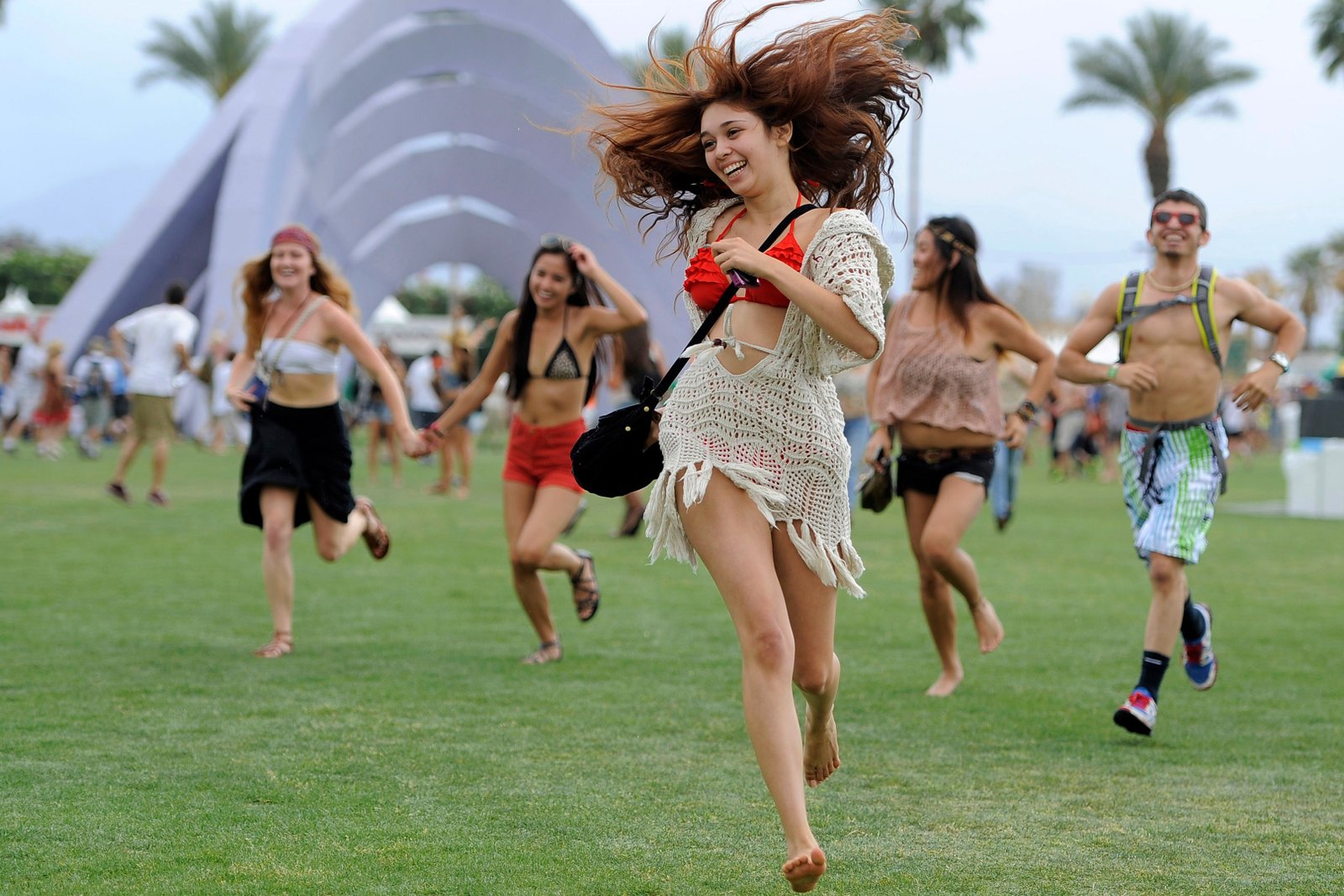
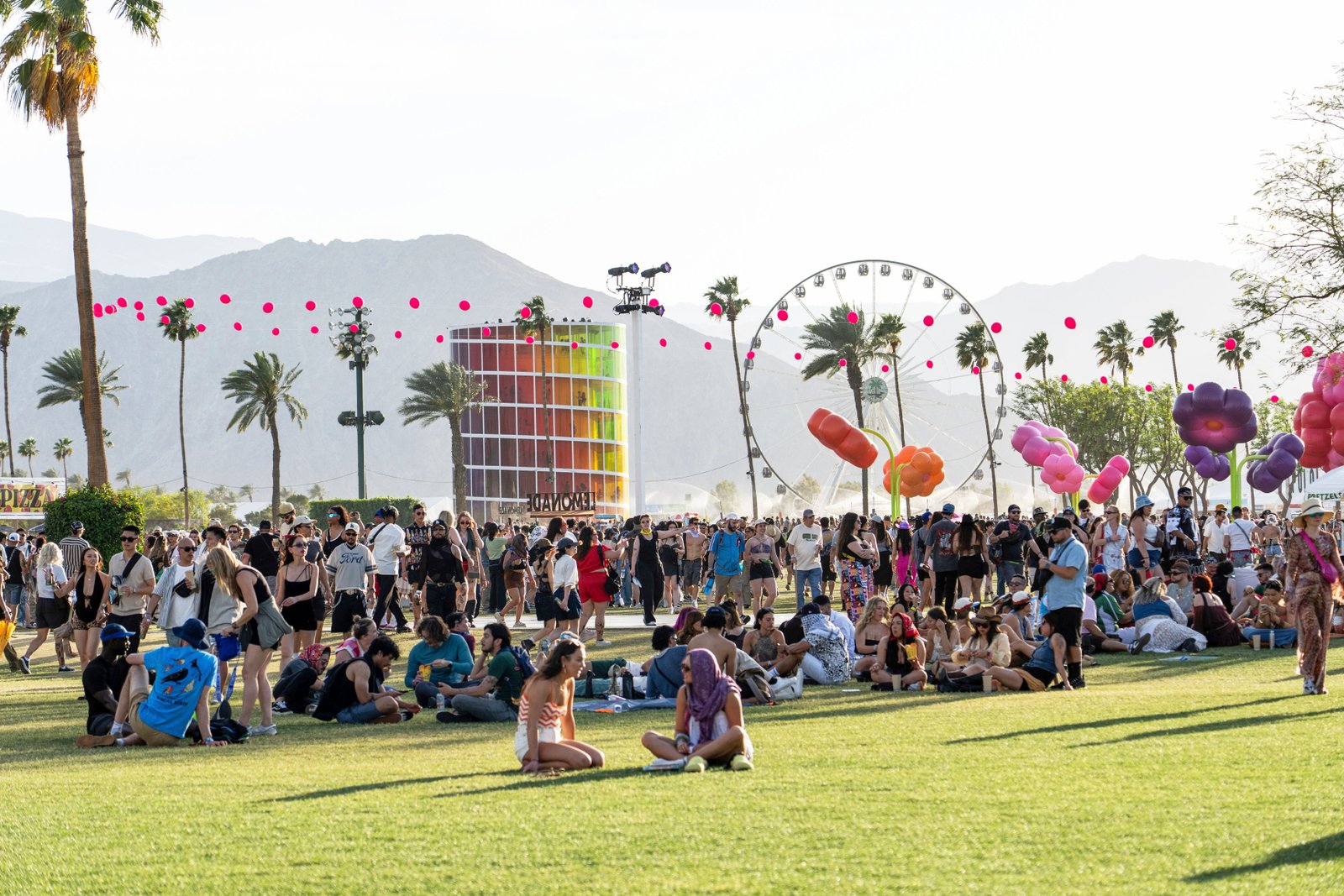
Before heading out, a thorough check of festival rules is essential. Policies on items like chairs, outside food, and umbrellas differ widely; Coachella, for example, prohibits them, while Tanglewood welcomes picnics and umbrellas (provided they are not over 6 feet across). Downloading the festival’s official app and bringing a portable mobile phone charger are also highly recommended. Upon arrival, take time to familiarise yourself with the site, noting the locations of cooling stations and medical tents.
Heat-related illnesses are a primary concern, particularly in warmer climates. Julie Puzzo, assistant medical director of the emergency department at JFK Memorial Hospital near Coachella, highlights the prevalence of “heat-related illnesses, since temperatures in the desert can get pretty high and rise quickly.”
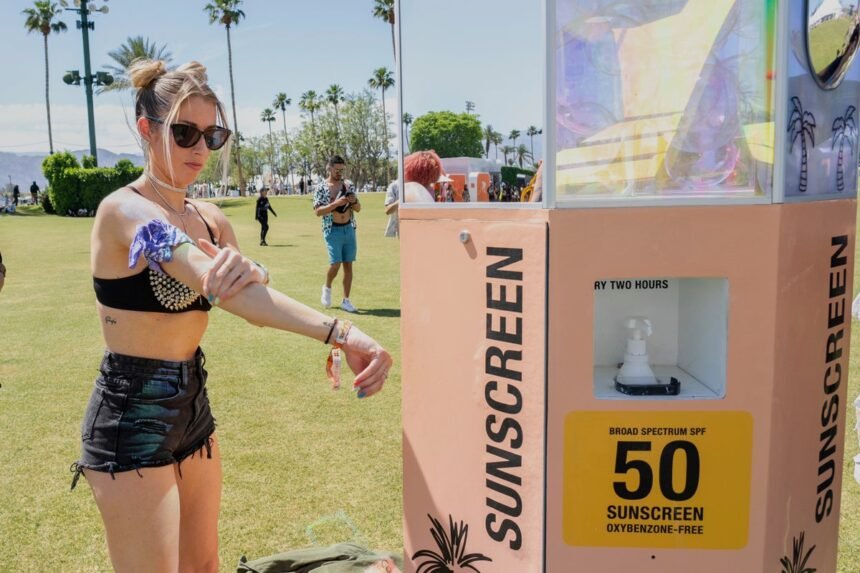
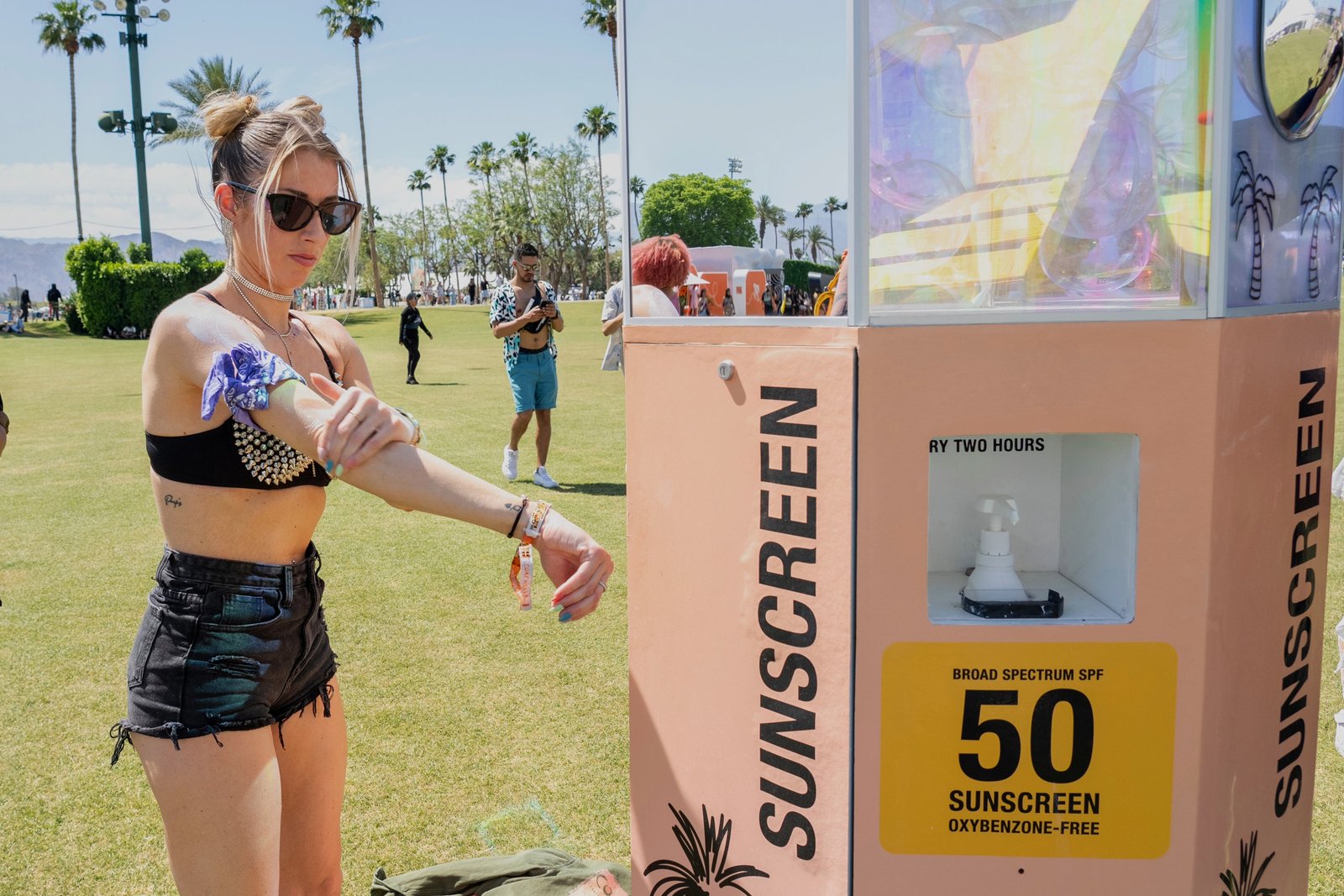
These can range from heat cramps to life-threatening heat stroke. Consistent hydration with electrolyte-containing beverages, wearing layers, a hat, and protective clothing, and using non-aerosol sunscreen are vital. Excessive alcohol consumption should be avoided.
Some festivals combat extreme heat with mobile cold-water immersion tanks for rapid cooling. Friedman also points out that at multi-day events, malnutrition, dehydration, and exhaustion can become significant issues by the third day, exacerbating other conditions. His top safety tip: “Stick with your friends so you can watch out for one another.”
Footwear is another critical consideration. Both doctors strongly advise against sandals, heels, or flip-flops. Comfortable, closed-toe shoes are crucial for navigating potentially uneven terrain and protecting against sharp objects, preventing common issues like “sprains and foot contusions,” as Friedman explains.
Beyond footwear, several other items can enhance safety. For those susceptible to respiratory problems, a backup inhaler is a good idea, as dust-filled wind gusts can exacerbate breathing difficulties, Puzzo warns. Eye problems, such as corneal abrasions, are not uncommon, so large sunglasses or even goggles are recommended if dust is likely. Insect repellent is also advisable for outdoor venues.
Protecting hearing is paramount; audiologist Greta Stamper from Mayo Clinic advises using earplugs and avoiding standing too close to speakers. She also suggests “listening pauses during festivals to allow your ears an opportunity to take a break.” Muffled hearing or ringing ears are clear signs that the volume is too high. For children, over-the-ear headphones offer superior protection compared to earplugs alone.
Ultimately, Friedman encapsulates the festival experience: “Musical festivals are a marathon, not a sprint, so be sensible and take care of yourself.” Puzzo cautions against illicit substances, noting that drugs acquired at events may not be what they seem, posing significant dangers, especially when combined with heat and alcohol.
Despite the necessary precautions, the core of the festival experience remains the joy of music and connection. Embrace the unexpected and allow yourself to find delight in the atmosphere. As Gloaguen suggests, if you wish to engage with a musician, “the most meaningful thing you can do is to thank them and talk about a specific song you love and why.”