When many of us think about drug overdose, we picture young people at a music festival or people dependent on street heroin.
But the latest figures from the Penington Institute show older Australians are increasingly dying from overdoses.
On average, seven people died every day from a drug-related overdose. Unintentional drug overdoses make up more than 80 per cent of those deaths.
For the first time in a decade, this year’s report showed people aged 50–59 years made up the highest proportion of unintentional deaths (25.5 per cent). People 40–49 years old are a close second (25.4 per cent).
Those aged 50-59 years also had the second-highest intentional drug-related deaths (19.9 per cent) after people in their 70s (22 per cent).
So why are overdoses increasing in this age group? Are over-50s simply using more drugs or is something else going on?
What illicit drugs do older people use?
Illicit drug use is more common among younger adults than older Australians. Use peaks in people’s 20s then tends to decline with age.
People who are now in their 40s and 50s came of age during the 1980s and 1990s, when Australia had relatively high levels of heroin, amphetamine and cannabis use.
While many people reduced or stopped using drugs as they aged, a smaller group continued to use over the course of their lives, contributing to an ageing cohort of people who use drugs.
But the gap between younger and older people using illicit drugs has narrowed over time. Rates among younger people have remained relatively stable, and in some cases have declined slightly, while rates among people aged 50 years and over have increased.
Cannabis is by far the most commonly used illicit drug among older Australians, but non-medical use of pharmaceutical opioids also contributes to the burden of harm in people in middle and older age.
It’s not just illicit drugs
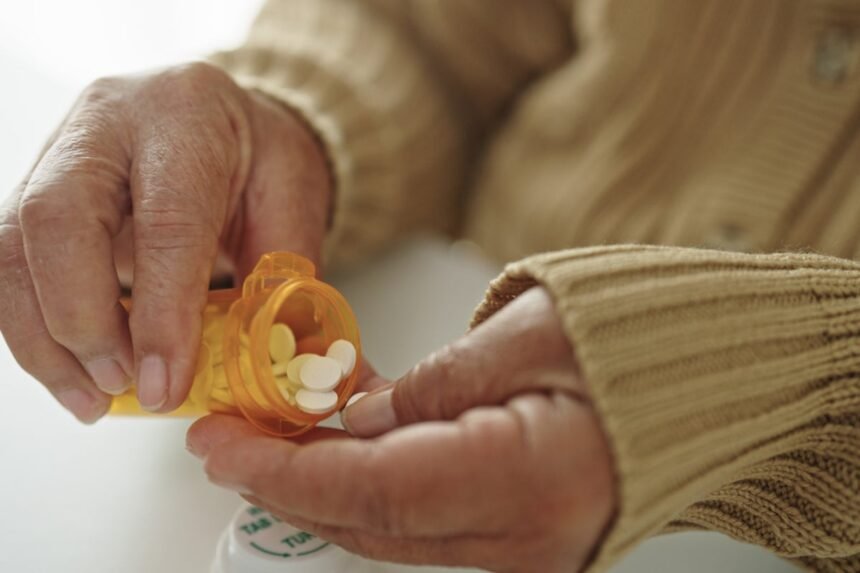
People often assume overdoses only happen to people who use illegal drugs. But prescription medicines also play a role.
Older adults are over-represented in deaths involving pharmaceutical drugs obtained legally through the health-care system.
That doesn’t mean these medicines are unsafe when used properly. But they can become dangerous when combined with each other, mixed with alcohol, taken in higher doses than prescribed, or used by people whose bodies have become more sensitive with age.
Australians over 50 are also more likely to have a number of health conditions that require medication, such as chronic pain, insomnia, anxiety and depression.
Many have different doctors prescribing for different health conditions and may take several medicines at the same time. These medicines can interact in unpredictable ways if not carefully managed.
Prescription opioids, commonly used for the short-term treatment of injury and pain, are the most common drug type involved in overdose deaths. They contribute to almost half of all unintentional drug overdoses. These are medicines many Australians have used or would recognise, such as oxycodone, codeine and tramadol.
Benzodiazepines, sometimes prescribed for short-term treatment of anxiety and insomnia, also play a major role in overdoses. Many Australians may recognise these medicines by their brand names: Valium (diazepam), Xanax (alprazolam) and Ronypnol (flunitrazepam).

When these two types of medicines are combined they can be lethal. More than 70 per cent of unintentional deaths involve two or more types of drugs.
Nearly 20 per cent of unintentional drug-induced deaths involved alcohol. This was a decrease on previous years, but other data shows risky alcohol use is increasing among women in mid life, in particular, which could increase future risk.
Ageing also changes how our bodies process drugs
Getting older means our liver and kidneys become less efficient at breaking down and removing medicines from the body. Older adults also have lower muscle mass and different body composition. This all affects how the body processes drugs.
The same dose that was tolerated at 40 may have a stronger effect at 60.
People who use drugs are living longer
As we learn more about preventing disease and staying healthy, we have developed better treatments for a range of illnesses, so people generally are living longer. And that includes people who use illicit drugs.
People who use illicit drugs have benefited from advances in hepatitis C and HIV treatment. Their health has also benefited from better access to harm-reduction options such as naloxone (which reverses opioid overdose), needle syringe programs and medically supervised injecting facilities. Opioid agonist treatments, such as methadone and buprenorphine, are also now much more accessible.
‘Late onset’ illicit drug use
There is some limited evidence that a small proportion of people in their 40s and 50s are using illicit drugs for the first time or returning to drug use after a long break. Some may self-medicate with illicit drugs rather than seeing a doctor.
Life transitions such as retirement, bereavement, loneliness and declining physical health can all affect mental health and increase vulnerability to illicit drug use.
About the authors
Nicole Lee is a Adjunct Professor at the National Drug Research Institute (Melbourne based) at Curtin University. Katinka van de Ven is an Alcohol and other drug specialist at UNSW Sydney.
This article was originally published by The Conversation and is republished under a Creative Commons license. Read the original article.
Income also tends to increase with age and peaks between 40 and 60 years of age. Illicit drug use rates are highest among people who are more socioeconomically advantaged.
At the same time, older people are less likely to be screened for alcohol and other drug problems. Health professionals often overlook alcohol and other drug use in people in their 50s because they do not expect to see it.
Stigma plays a role, too
An older person with signs of medication dependence may not identify with traditional drug treatment services. They may worry about being judged or fear losing their independence if they disclose drug use to a health professional or family member.
This means people over 50 more easily fall through the cracks.
The growing number of overdose deaths among Australians in their 50s should prompt us to rethink who is at risk and how we respond.
Overdose prevention should not focus solely on illicit drugs or specific age groups. It also needs to consider:
- safer use of medicines and more cautious prescribing practices
- good communication between doctors and their patients to identify risky combinations
- reducing stigma so we can have open conversations about alcohol and other drug use at every age.
If we want to prevent these deaths, we need to recognise that drug-related harm does not disappear with age. It may just change shape. And so must our responses.