


Some gardeners may be able to grow palms and even cold-hardy citrus in parts of Canada, according to the federal government’s latest Plant Hardiness Zones map, the first update since 2014.
The map, first developed in the 1960s and updated every 10 years in the last few decades, looks at what can grow across the country, based on temperature, precipitation and other weather patterns. It found that some plants can now grow in regions they couldn’t have previously, while other areas can host new plants entirely.
Much of that is due to the steady march of climate change. In this way, each map update has marked an increasingly warm Canada.
“It’s fun to look at the fun side of climate change and say, ‘Hey, maybe I can grow some new species at my place,'” said John Pedlar, biologist at the Great Lakes Forestry Centre in Sault Ste. Marie, Ont., which is a part of Natural Resources Canada, which publishes the map.
“But we don’t want to forget the fact that there’s all kinds of other negative implications around climate change. And being able to grow some new species in your garden is relatively minor compared to some of the big impacts that might be coming down the line.”
How climate change is influencing growing zones
The map divides Canada into 10 zones, numbered from zero to nine, with subzones marked “A” and “B.” The higher the zone number (for example, 2B is a higher number than 2A), the more moderate the weather and growing conditions. Consequently, the lower the zone number, the hardier a plant has to be to survive.
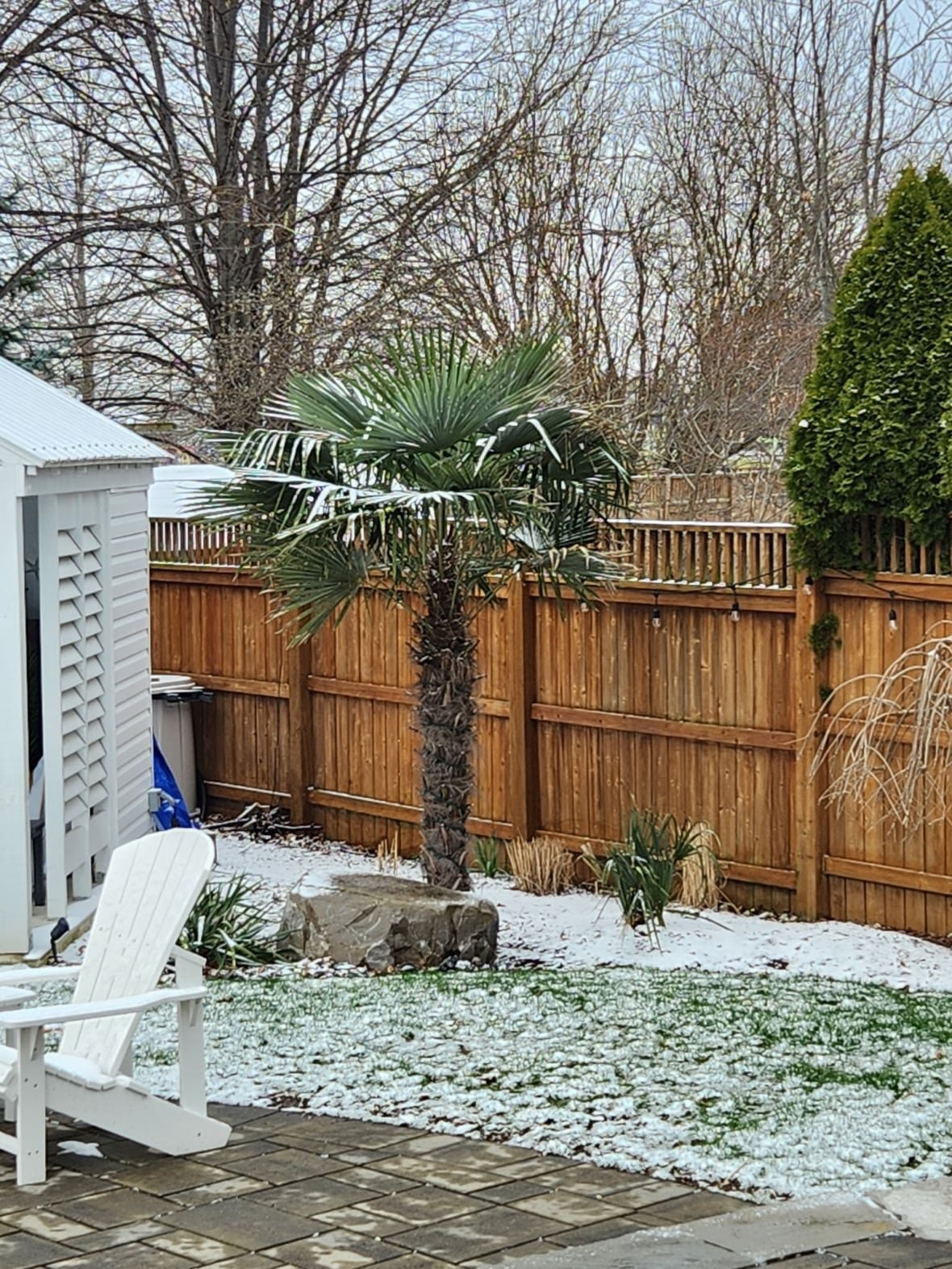
In the latest update, the relatively rare and hardiest 9A zone has expanded from just a tiny speck on the map to cover parts of Vancouver Island and the southern reaches of B.C.’s lower mainland. Those regions could be suitable for certain palms and even cold-hardy citrus — not something usually expected in Canada.
In fact, about 80 per cent of the country has seen its zone increase because of warming temperatures. For example, some zones in southern Ontario have expanded by half a zone or more. The researchers point to an increase in grape cultivation in the region by 25 per cent from 1990 to 2020, and say shifts in the hardiness zones could lead to “new horticultural opportunities over time.”
A guide for gardeners and growers across Canada
The plant hardiness zones come with accompanying species-specific models, which provide much more in-depth information for specific plants or trees. The models look at how specific plants would do under different climate change scenarios.
“Our work is trying to apply to not just the gardening community, but also foresters, ecologists, naturalists, horticulturalists — people that have an interest in not just sort of the year-to-year success, but the long-term planting of different things,” said Dan McKenney, research scientist at the Great Lakes Forestry Centre.
Dan Richard runs Niagara Tropics, a plant nursery in Niagara-on-the-Lake, Ont. He specializes in growing hardy palm tree varieties that end up in gardens across southern Ontario, including in the Toronto area.
“Gardening … can be very rewarding. It could be very therapeutic to many. So if they’re out there making a difference on trying things and they feel empowered and successful that they’ve accomplished something, that’s the whole point of this,” he said.
“The hardiness map will enable those dreams to begin somewhere, in my opinion.”
But Richard says he also sees the data being important for major industries like agriculture, especially as they adapt to the impacts of climate change. He said the latest update allows growers to make more sustainable decisions on things like where to plant certain crops and where to locate greenhouses.
“You can artificially grow strawberries or broccoli inside a greenhouse, but having a long-term understanding of the climate, you might not have to contribute to gas heating as much or hydro demands,” he said.
“You can be more dependent on, you know, nature itself in that regard.”
Climate change is changing what we can grow
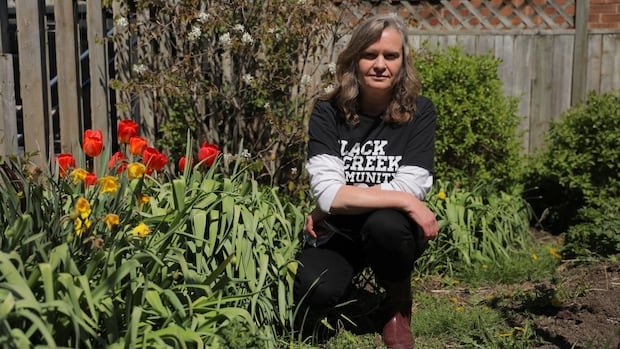
Rhonda Teitel-Payne is co-coordinator with Toronto Urban Growers, a network promoting urban agriculture in the city. An avid home gardener, she says she’s seeing the impact of uncertain weather up close.
She said every year has been different, with large temperature and precipitation variations making it hard to schedule plantings.
“Climate change, it’s not even so much about warming. It’s about the instability, right? And the unpredictability of the weather and the extreme examples of weather that we’re dealing with,” she said, adding that makes it especially hard for new growers to try out new plants.
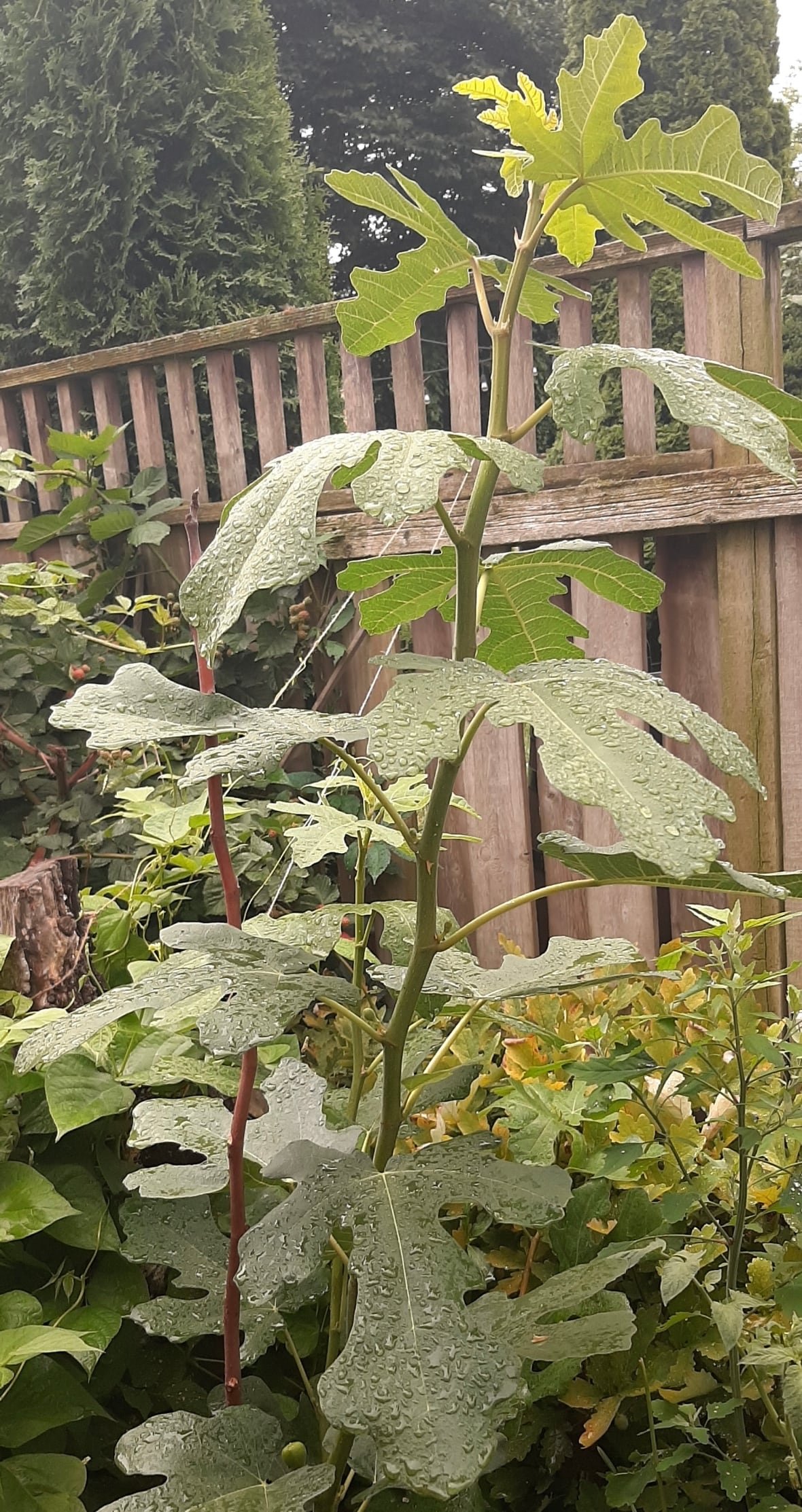
A couple of years ago, Teitel-Payne grew a fig tree, something unusual for Toronto.
“I obviously like the plant hardiness zone map. A lot of avid gardeners look for it and this is sort of like a fun thing,” she said.
“But it’s also a sobering reminder of climate change.”


