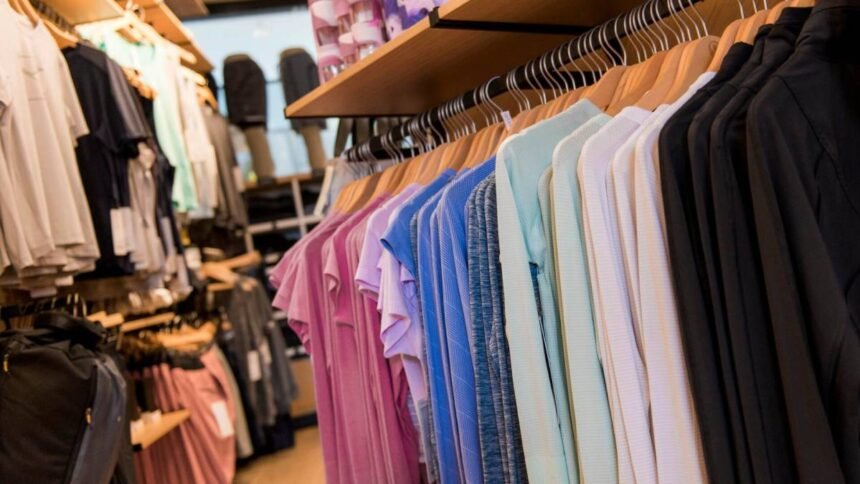
I have a handful of really nice athletic jackets and shirts tucked away in my closet.
They’re in great shape, some barely worn — but for whatever reason, I never reach for them. And yet, I can’t bring myself to throw them out. It just feels…wrong.
Maybe it’s the guilt of knowing where they’ll end up.
Because once performance gear is “done,” there’s nowhere for it to go. Synthetic fabrics like nylon and polyester don’t break down. They’re made from fossil fuels, are tough to recycle, and usually wind up in a landfill — or worse.
Related: Lululemon finally releases product customers begged for
And I’m not alone in that.
According to the UN, the fashion industry contributes up to 10% of global carbon emissions — a stat that feels especially heavy when it’s tied to brands built on self-improvement and wellness.
So what do we do when even our feel-good clothes don’t actually feel good anymore?
Well, this activewear company may have just found an answer — not in a trend or a new product drop, but in a bold bet on the fabric of the future.
Image source: Qilai Shen/Bloomberg via Getty Images
Lululemon is changing the game in sustainable fashion
In March 2025, Lululemon (LULU) announced a multi-year collaboration with a California biotech startup called ZymoChem.
Together, they’re working on a way to make one of Lululemon’s go-to materials — nylon — more sustainable.
Thats a big deal, since nylon is usually made from petroleum (think: fossil fuels) and is notoriously hard to recycle.
The company says the new bio-based nylon they’re developing will still have the same feel, performance, and quality fans expect. Think your favorite Align or Wunder Train leggings — just made in a cleaner, smarter way.
Related: This Lululemon rival is thriving as trends take a turn
This isn’t Lululemon’s first time investing in next-gen materials. In 2024, the brand teamed up with Australian startup Samsara Eco to launch the world’s first enzymatically recycled nylon product.
That breakthrough showed it’s possible to recycle even the most complex performance fabrics.
Now, Lululemon is doubling down.
From new ways to make materials, to new ways to reuse them, the brand is betting that the future of fashion starts with the fabric.
Why Lululemon’s sustainability bet makes financial sense
This isn’t just a greenwashing PR play. Lululemon is backing these innovations with real investment and long-term strategy.
Its partnerships with ZymoChem and Samsara Eco point to a broader push to develop products with preferred materials. That includes both bio-based inputs and circular design strategies that could reduce the company’s exposure to fossil fuels and unstable global supply chains.
And while these efforts signal progress for the planet, they also make serious business sense.
The cost of raw materials remains a major pressure point across the fashion industry, especially as tariffs, inflation, and political tensions continue to disrupt sourcing.
By investing in bio-based and recycled solutions, Lululemon may gain a pricing and sourcing edge — one that’s both environmentally responsible and economically strategic.
There’s also the brand reputation boost. In a market where shoppers — and investors — are increasingly motivated by values, partnerships like these could enhance customer loyalty and open new doors with institutional stakeholders.
For Lululemon, this isn’t just about better leggings. It’s about leading the next era of premium performance wear.
Lululemon isn’t just chasing trends — it’s chasing the future of fashion, one fiber at a time.
Related: Veteran fund manager unveils eye-popping S&P 500 forecast