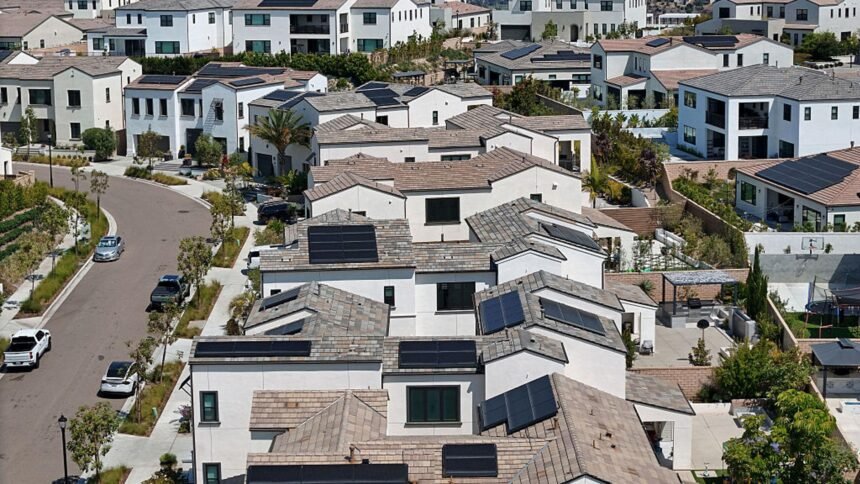
Now, we are entering a third era, one defined not by values or economics, but by a drive for control. Psychologists have long documented that when people feel external forces are governing their lives, they seek out whatever domains they can control. Energy has now become one of those domains. Gas prices set by an unpredictable war. Blackouts from an aging grid. Energy bills that keep climbing. Rooftop solar, a home battery, an electric vehicle offer something the grid, the gas station, and the utility bill cannot: certainty. They are no longer just products. They are acts of self-determination. These solutions meet people where they already are—anxious, exhausted, and done feeling exposed—and offer them what they have been missing: stability.
The data confirms the shift is already underway. Even before the war began, nearly 78% of U.S. homeowners expressed concern about power grid reliability. Sixty-four percent say recurring blackouts would make them more likely to go solar within five years. Since the war began, nearly half say they are extremely or very concerned about affording fuel in the coming months. The conversation has shifted from “how much will I save?” to “how do I protect my family from the next crisis?”—whether that crisis arrives as a blackout, a gas price spike, or an economic shock. Americans want control. A growing number want to generate their own power, store it, and insulate themselves from volatile energy prices and an unreliable grid. And solar delivers exactly that.