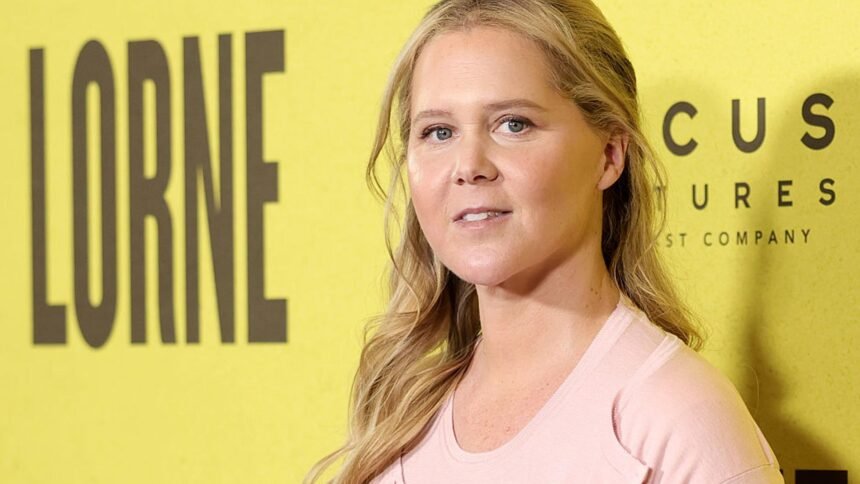
When a disease is invisible and no one believes you, the damage goes beyond physical pain. “You really start to question yourself,” Schumer says. “It makes you feel like you’re going crazy.” Over time, she stopped bringing it up—not because the pain went away, but because talking about it felt futile. With endometriosis, she points out, a good month isn’t a pain-free one: “If you can get a couple good days a month when you’re not in pain, you’re lucky.” So you go quiet. “You don’t want to be a broken record and a downer,” she says. “It’s so isolating.”
That silence can have consequences. By the time Schumer finally had a name for what was happening to her, the disease had been progressing for decades. She was in her late 30s when she was diagnosed; her mother, whose pain Schumer had watched since childhood, didn’t get the same answer until she was 76. As soon as she had her own diagnosis, Schumer called her. “I said, ‘Mom, you have this. I’ve watched you my whole life, crippled with pain,’” she recalls. Her mother brushed it off—“‘No, I don’t have it. I just don’t have it,’” Schumer remembers her mom insisting—until, eventually, she got the diagnosis too. She got a hysterectomy shortly after.