Two findings surprised Guerry. The benefits were especially pronounced for young adults, roughly ages 19 to 25—the very group you might assume is too busy scrolling to notice a tree. Guerry suspects it may come down to their baseline state. “Young people are more anxious, more stressed, angrier,” she says, which could mean they simply have more to gain.
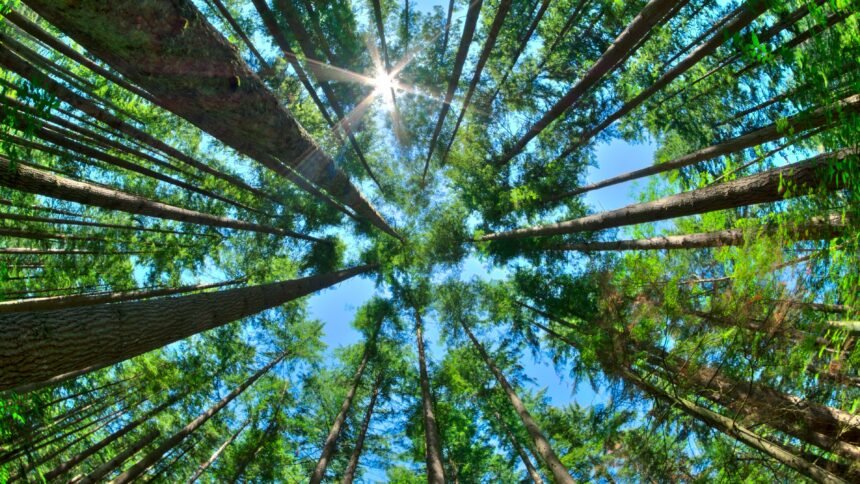
She was also surprised to find that of all the types of green space her team looked at—lakes, street trees, gardens, parks, farmland—urban forests, or densely wooded areas within cities, stood out. Guerry suspects that’s because they offer a deeper sense of escape. Forests are, in many ways, “the absence of other things,” she says, including noise, pollution, and reminders of everyday stress.
So why does even a short stint work? One leading explanation is attention restoration theory: Nature pulls your focus away from the mental loop of whatever you’ve been stressing about and parks you in the present. That shift can happen fast. “Pay attention to the nature around you,” Guerry says. “That’s going to be the best medicine.”