The FDA has announced an “ultra-fast” review of three psychedelic drugs aimed at treating mental health conditions including depression, signaling a significant commitment from the Trump administration to this experimental therapeutic approach.
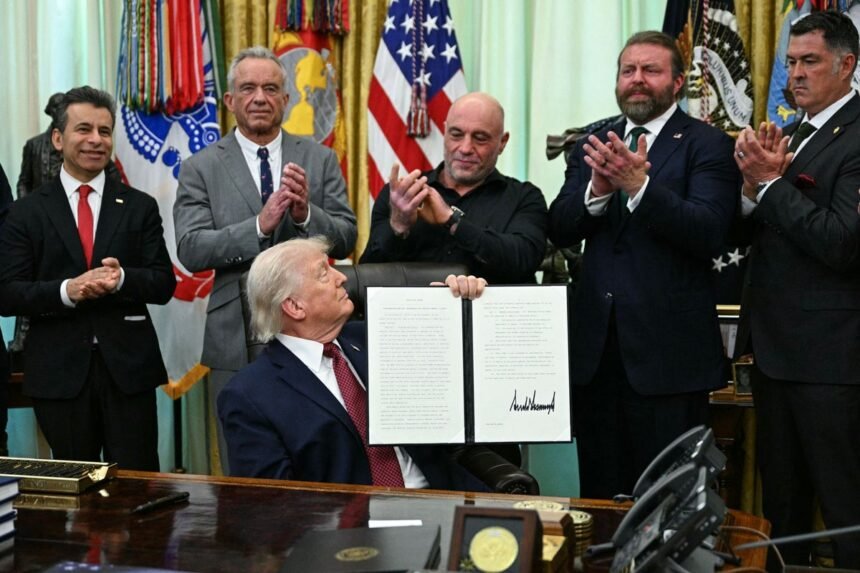
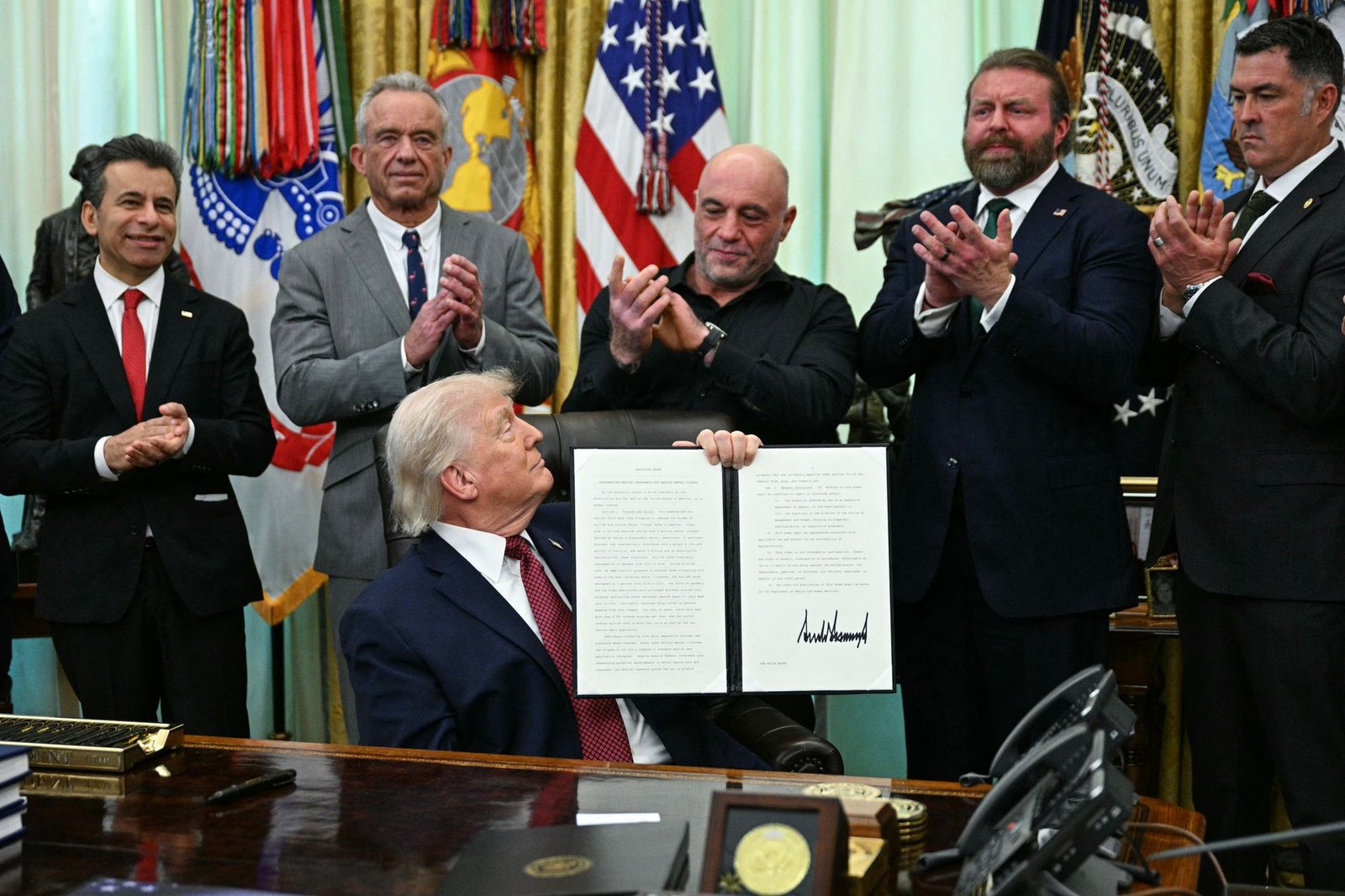
President Donald Trump signed an executive order last weekend directing the FDA and other federal agencies to accelerate access and ease restrictions on psychedelics, a class of hallucinogenic drugs that remain illegal under federal law.
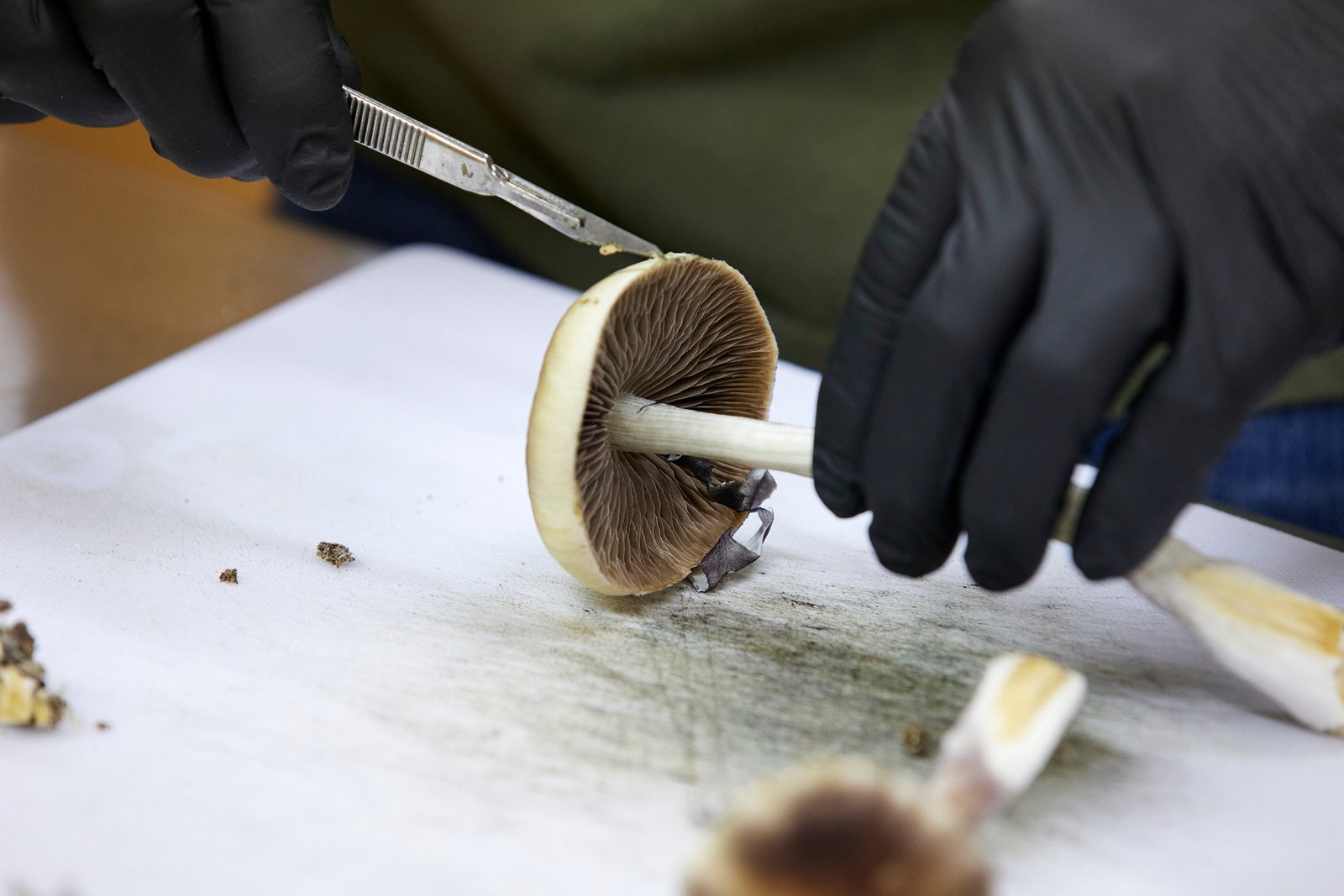
The FDA confirmed it has awarded priority review vouchers to two companies researching psilocybin – the active ingredient in magic mushrooms – for difficult-to-treat forms of depression.
A third company received a voucher for methylone, a drug related to MDMA, for post-traumatic stress disorder. The FDA did not disclose the names of these companies in its press release.
While these vouchers do not guarantee approval, they indicate that regulators will aim to shorten their review timeline from months to weeks.
These developments reflect growing public support for mind-altering substances among Trump’s supporters, including combat veterans and followers of the “Make America Healthy Again” movement, spearheaded by Health Secretary Robert F. Kennedy Jr.
Last July, Kennedy informed members of Congress that his department intended to make psychedelics available for hard-to-treat psychiatric conditions within a year.
Several of Kennedy’s key allies and staff are proponents of these drugs. Calley Means, a former Kennedy campaign staffer now serving as a senior health adviser, has previously written about the “mind-blowing” power of psychedelics and his plans to invest in companies developing them.
The FDA’s special treatment for psychedelics is likely to intensify scrutiny of its Commissioner’s National Priority Voucher program, which expedites drug reviews. Democratic members of Congress have previously noted that vouchers have been granted to companies politically favored by the White House, including those that have agreed to reduce medication prices.
In a separate move, the FDA authorized initial testing of a drug related to ibogaine, a potent psychedelic derived from an African shrub, for individuals with alcohol use disorder.
Ibogaine is known to sometimes cause dangerous heart rhythms but has been embraced by combat veterans as a treatment for trauma and addiction. The drugmaker, DemeRx, is led by a Florida-based researcher who began studying ibogaine in the 1990s before federal health officials withdrew public funding.
DemeRx’s drug is a metabolite of ibogaine, and the company claims it does not carry the same risks as the original substance.
A recent White House event on psychedelics suggested that Trump’s political allies played a role in elevating these drugs on his agenda. Podcaster Joe Rogan, who attended the Oval Office event, stated he texted Trump about ibogaine, a substance he has frequently discussed on his show.
According to Rogan, the president quickly responded: “Sounds great. Do you want FDA approval? Let’s do it.”
Rogan’s endorsement of Trump days before the November 2024 election was reportedly seen by White House aides as a key factor in his election victory. Earlier this week on his show, Rogan mentioned he learned about ibogaine from his friend Ed Clay, a mixed martial arts trainer and entrepreneur who runs retreats utilising the substance in Mexico.
Virtually all psychedelics, including LSD, psilocybin, and MDMA, are classified as Schedule I substances, a category for high-risk drugs with no medically accepted use.
For decades, drugmakers avoided these substances due to the difficulties of studying drugs illegal under federal law. However, dozens of small drugmakers, many funded by Silicon Valley investors, have recently entered the race to secure FDA approval for various psychedelics.
For instance, tech billionaire Peter Thiel – who has made political donations to both Trump and Vice President JD Vance – has invested in AtaiBeckley, a company researching MDMA and other psychedelic compounds.