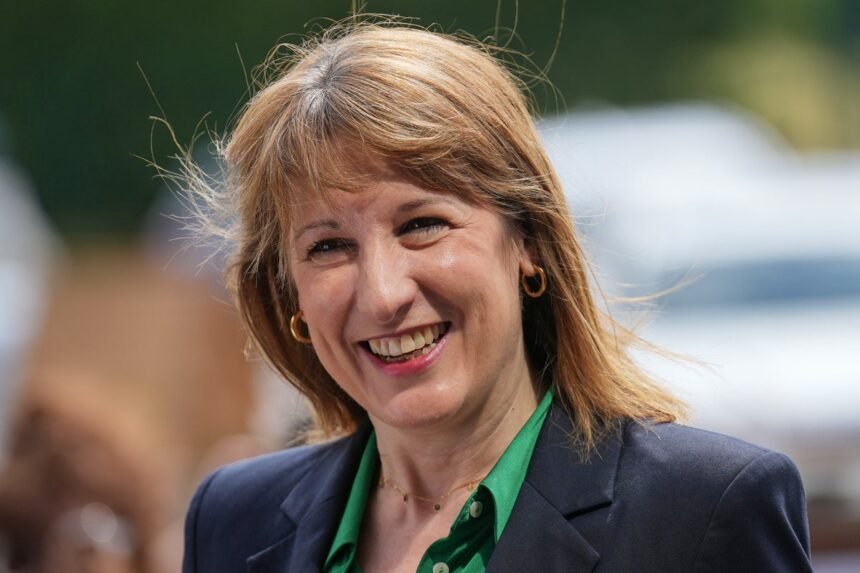
Rachel Reeves is set to bet the house on hopes of finally achieving economic growth by easing rules on mortgages to make more loans available at lower salaries and at 4.5 times a buyer’s income.
The chancellor will use her keynote Mansion House speech in the City of London on Tuesday evening to unveil plans to create up to 36,000 additional mortgages for first-time buyers over the first year.
Just one lender – Nationwide – will give mortgages to 10,000 more first-time buyers as a result of the changes.
Changes will include lowering the minimum salary needed for a mortgage to £30,000 from £35,000 for an individual and to £50,000 from £55,000 for a couple on a joint income.
It is part of a wider package of reforms which will see a bonfire of red tape for financial services as Ms Reeves urges businesses and investors to “take risks again”, according to a Treasury source, following the caution which settled in after the 2008 banking crash.
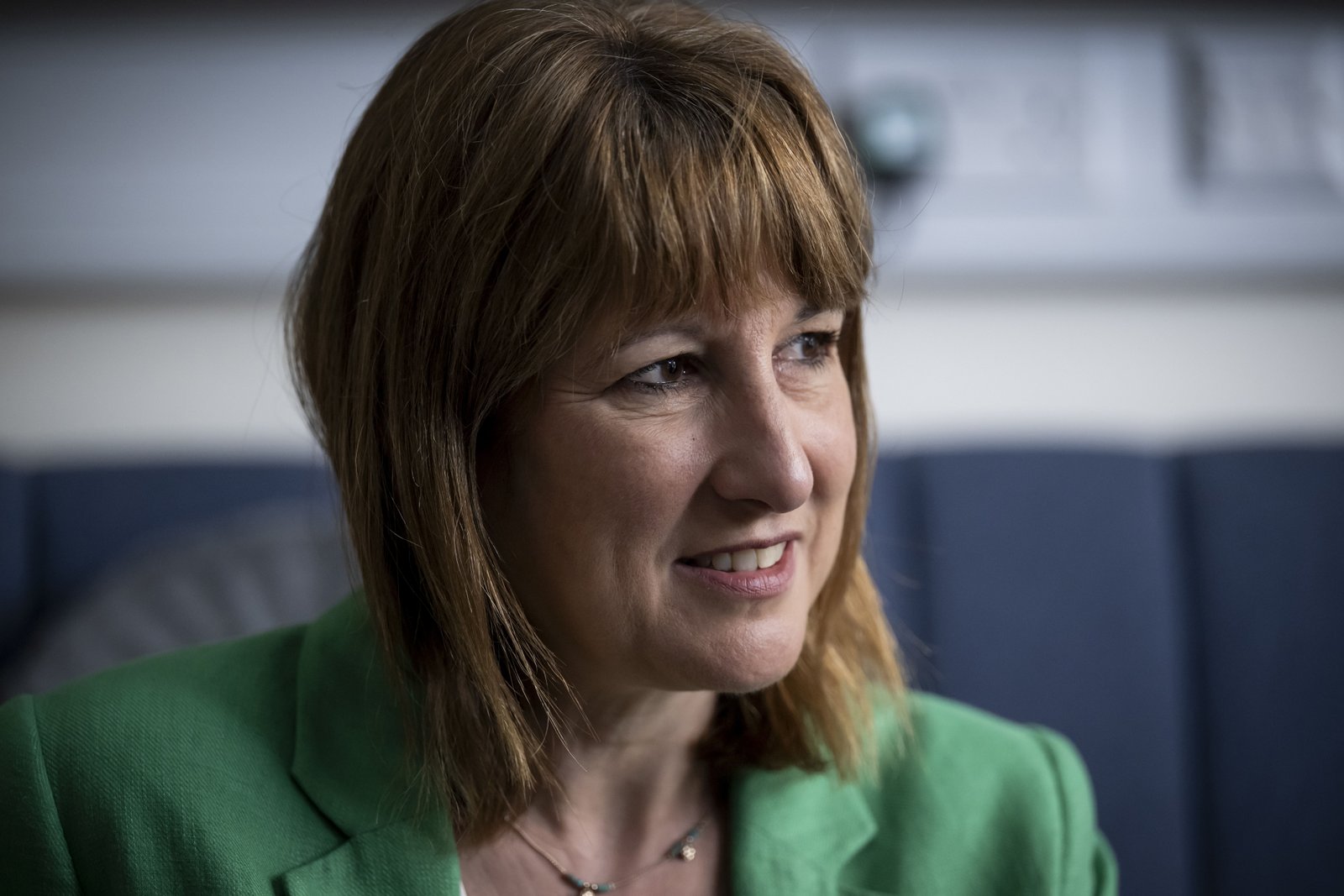
But it comes as the new director of the influential Institute for Fiscal Studies (IFS), Helen Miller, is set to warn that despite Ms Reeves’s promises, the economy under this Labour government continues to “limp from fiscal event to fiscal event”.
It comes hours after she said her manifesto commitment not to increase taxes for “working people” remained.
Ms Reeves is expected to say: “I have placed financial services at the heart of the government’s growth mission.
“Recognising that Britain cannot succeed and meet its growth ambitions without a financial services sector that is fighting fit and thriving.
“And I have been clear on the benefits that that will drive.
“With a ripple effect that will drive investment in all sectors of our economy and put pounds in the pockets of working people.”
The reforms have come after it was revealed last week that the economy shrank by 0.1 per cent in the second quarter of 2025, and with Ms Reeves struggling to achieve Labour’s “number one mission” of economic growth.
But it could spark fears that the UK economy is heading back to the circumstances that led to the 2008 banking collapse, which was sparked by a collapse in the subprime mortgage market and a lack of financial services regulation.
Ms Reeves is set to claim that red tape holding back the competitiveness of the UK financial sector will be swept away under the reforms, addressing long-standing industry complaints.

She will offer the biggest set of reforms for a decade in a bid to also encourage financial investment.
The chancellor believes the changes will see Britain become the top destination for finance firms over the next decade, attracting inward investment from across the globe to create good, skilled jobs around the country.
Ms Reeves is expected to say: “This is the foundation of an economy, and a country, that is more active and more confident.
“Where people and businesses look to the future and talk about hope, about opportunity.
“Assured of their own capability, and of the ability of our country to boldly face the challenges that lie ahead.
“And certain of the prize if they succeed of higher wages and higher living standards. The renewal of Britain in every home and every high street.
“To put it simply: a Britain that is better off.”
But the chancellor will be making her speech amid growing concerns over whether she is succeeding in the government’s number one mission of economic growth.
In her first remarks since taking over as director of the IFS from Paul Johnson, Ms Miller plans to give a damning assessment of Ms Reeves’s progress after a year in the Treasury.
She will say: “Labour came to office with the promise of a ‘mission-driven’ government – a commitment to long-term thinking and systemic reform. The ambition that we should be ‘raising our sights as a nation’ and finding ways to tackle the big challenges we face is the right one.
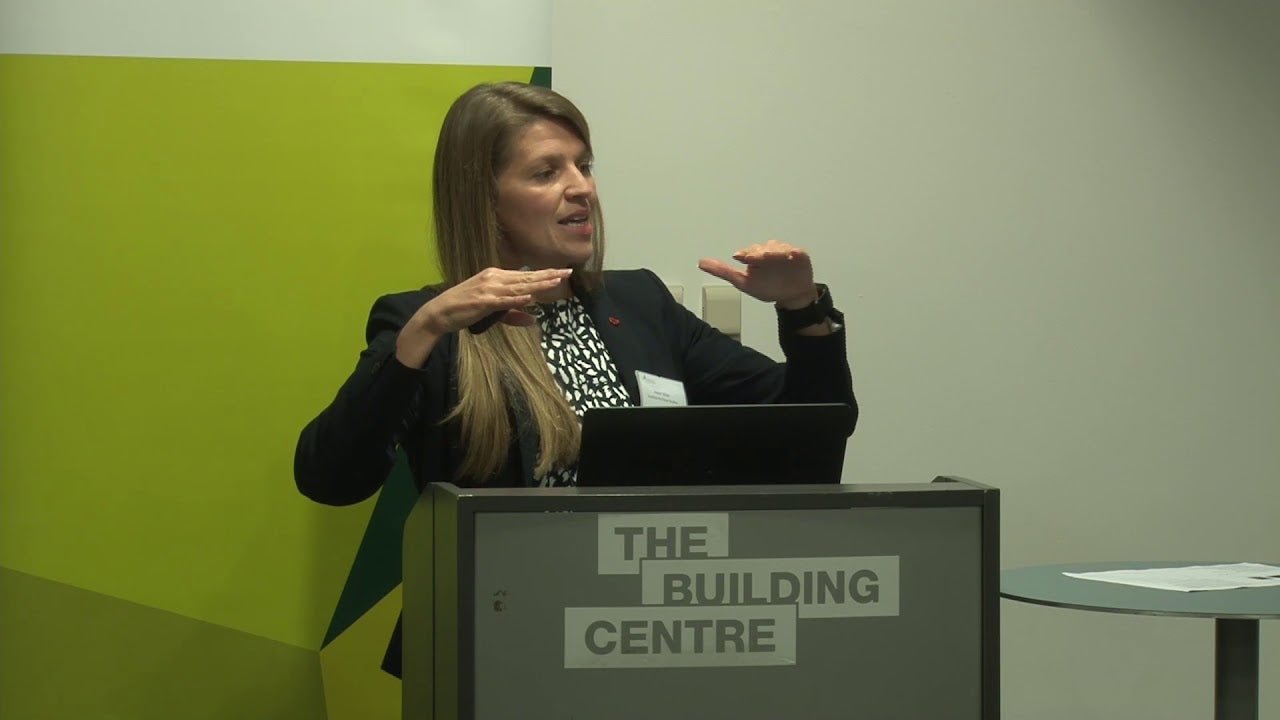
“Despite this, we continue to limp from fiscal event to fiscal event, obsessed with whether run-of-the-mill revisions to the economic and fiscal outlook have reduced the fiscal headroom and whether tax or spend takeaways will follow. We need to break out of this cycle.”
The chancellor is also seeing her options narrow after major U-turns on winter fuel for pensioners costing the Exchequer £1.25bn, and Labour rebels forcing her to cancel £5bn of cuts in disability benefits.
While ministers appear to be hinting at a new round of so-called wealth taxes on the rich, big corporations, and pension pots or stealth taxes by freezing the threshold for income bands, new evidence has emerged that the public favour cuts to benefits instead.
According to polling by YouGov released on Monday, 53 per cent of Britons say benefits should not usually be available for conditions like anxiety and depression – 37 per cent disagree.
The argument to end benefits for minor mental health issues was made by Tory leader Kemi Badenoch in a speech on Friday.