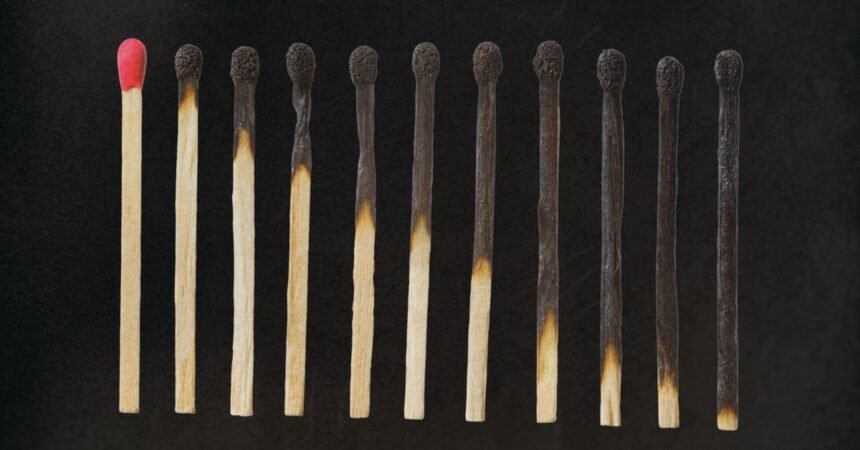
Run-of-the-mill fatigue can be hard to distinguish from true burnout. But while both can leave you drained and unfocused, burnout runs deeper. Here’s how to know whether you simply need to catch up on rest—or a more serious reset.
What’s the difference, really?
Being tired is a normal part of life, especially when you’ve had a late night or a busy week. Fatigue is usually temporary and goes away with rest, sleep, or a short break. Once you take a step back, your energy typically returns.
“Burnout is completely different,” says Dr. Marjorie Jenkins, chief clinical officer at Incora Health, a women’s health tech company. “It causes us to question our purpose, lose our motivation, and destroy our emotional wellness. In essence, we lose our sense of self.”
Burnout is often rooted in chronic stress, emotional exhaustion, and a sense of detachment from work or life responsibilities. It’s not just a psychological state: burnout can lead to measurable changes in the brain’s structure and function.
Read More: The Surprising Health Benefits of Spicy Food
A 2014 study published in PLOS ONE used brain imaging to show that people with job-related burnout had less gray matter in areas tied to emotional regulation and cognitive control, particularly the anterior cingulate cortex and dorsolateral prefrontal cortex. These areas help manage stress, decision-making, and emotional response—functions that can be impaired in burnout.
Another study in Neuropsychopharmacology found that the amygdala—the brain’s fear and stress response center—can become hyperactive in burnout, leading to heightened emotional reactivity and difficulty calming down even after the stressor is removed.
What causes burnout?
Burnout happens when chronic stress fundamentally alters how your brain operates, explains Kevin J.P. Woods, director of science at Brain.fm, a company that engineers music to improve focus.
“From a neurological standpoint, it represents a breakdown in the brain’s ability to manage stress,” he says. “The brain has sophisticated systems for handling short-term stress. They helped our ancestors survive threats. But these same systems weren’t designed for the constant, unrelenting stress of modern life. When activated continuously, they begin to malfunction.”
Read More: How Often Should You Really Go to the Dentist?
Some common causes of burnout include having an excessive workload where you lack control over tasks and recognition for your efforts, a poor work-life balance, strained relationships, a mismatch between your values and environment, a toxic work culture or leadership, and mounting responsibilities outside of work (like kids, ailing parents, health problems). Constantly using technology without disconnecting is another risk factor.
Who’s most at risk?
Burnout can affect anyone, but certain people and professions are especially vulnerable. Research shows that a combination of personality traits, job demands, and life roles can significantly raise the risk.
“Many people address burnout when it is too late,” says Thea Gallagher, a clinical psychologist at NYU Langone Health. “It’s easy for people to become burnt out in careers they love, but we all need boundaries and work-life balance, even if we love our work.”
These are some of the careers and roles that can lead to a higher risk of burnout.
High-stress professions
People in health care, education, social work, and emergency services often face long hours, emotional labor, and limited control over their workload—all classic drivers of burnout. A 2022 report from the World Health Organization named these sectors as particularly high risk, especially since the COVID-19 pandemic.
Perfectionists and overachievers
Those with high internal pressure or people-pleasing tendencies may push themselves past healthy limits. These traits, while often praised professionally, can make it harder to recognize when rest is needed—or to ask for help, Gallagher says.
Remote and gig workers
Those who work from home or lack clear work-life boundaries may feel like they’re always “on.” Without physical separation from their job, it becomes harder to unplug, recover, and recharge.
Read More: The 9 Most Underrated Healthy Foods
Caregivers
Whether you’re a parent, taking care of aging parents, or both, caregiving can be emotionally draining, physically exhausting, and under-appreciated, making burnout common.
Women and marginalized groups
Women, especially women of color, often face invisible labor, inequities, and microaggressions that add chronic stress to their work and home lives. Studies show women are more likely to report burnout than men, and more likely to suffer in silence.
People without strong support systems
Those lacking emotional or social support at work or at home have a harder time buffering stress, making them more vulnerable to burnout’s long-term effects.
How to recover from burnout and prevent it in the future
Stress is a part of life, and knowing how to manage and respond to it is key to success professionally and personally.
“Recovering from burnout takes time,” says Woods. “The brain changes that occur with chronic stress don’t reverse overnight. Most patients need at least three to six months of consistent lifestyle changes to see significant improvement.”
He says taking breaks from work-related thinking throughout the workday—every 90 minutes or so—can help “prevent cognitive overload.” Make time for face-to-face interactions, ideally with friends or loved ones; these can help counteract stress. Exercise, too, helps restore energy. “Even 20-30 minutes of walking makes a measurable difference,” he says. So does getting adequate sleep.
“Ultimately, our bodies need rest” to prevent burnout, says Jenkins—and that’s true “no matter how strong, resilient, brilliant, and successful we are. Once rested, we feel better, energized, and can get back to our lives with renewed energy.”