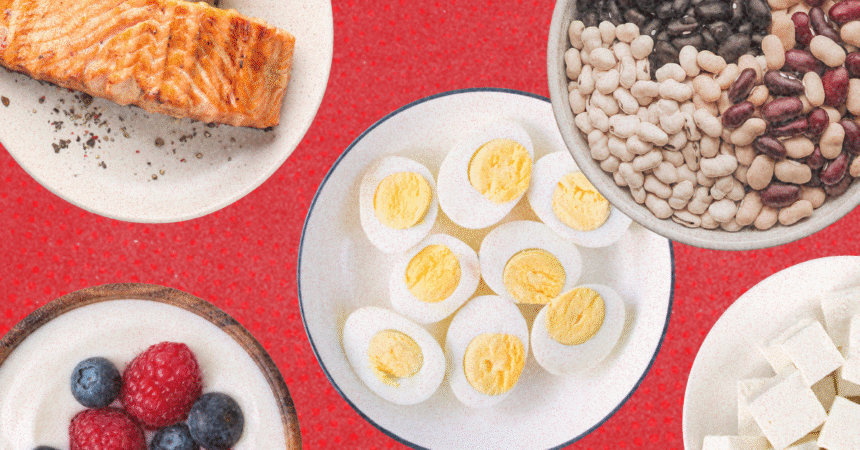
Protein plays a critical role in nearly every process in the human body, from metabolism and hormone regulation to maintaining muscle mass and healthy skin. Yet research suggests many people—particularly women and older adults—don’t consume enough of it each day.
“Proteins are the body’s building and repair material,” says Dr. Glenn Jones, an internal medicine physician with Sentara Medical Group. “When we don’t get enough from food, the body starts breaking down muscle to create amino acids, or the building blocks that make up proteins. Even if you’re eating enough calories, too little protein means your body has to pull from its own reserves by breaking down muscle.”
Experts say even mild protein deficiencies can show up in subtle ways, affecting everything from energy levels to hair and nail strength. Here are nine common signs that your protein intake may be too low.
You feel constantly tired
If you’re getting enough sleep but still feel like you’re dragging, a lack of protein might be part of the problem. Protein provides amino acids that help your body repair cells and regulate energy metabolism. Without it, your system may struggle to generate steady energy throughout the day, leaving you foggy or drained.
“Persistent fatigue is common since the body can’t efficiently repair cells or regulate energy metabolism without adequate protein,” says Leah Tsui, a registered dietitian at Ciba Health in New York. Protein also helps stabilize blood sugar, preventing the mid-afternoon crash many people experience after carb-heavy meals.
Read More: Your Bedroom Probably Isn’t Dark Enough
“Fatigue, low energy, and loss of muscle mass or strength are often the first clues of inadequate protein intake,” adds Taylor Fazio, a registered dietitian and wellness advisor for The Lanby, a primary care practice in New York City. Over time, this kind of low-level exhaustion can snowball, making workouts harder, recovery slower, and focus more difficult—even if you think your diet is healthy overall.
You’re losing muscle (or not building it as easily)
Muscle tissue depends on protein to repair and grow. Without enough you may feel weaker, lose definition, or struggle to build or maintain muscle despite regular exercise.
“When protein intake drops too low, your body begins breaking down muscle tissue to harvest amino acids for essential processes,” says Ashley Koff, a registered dietitian and founder of The Better Nutrition Program, who is the nutrition course director for the University of California, Irvine’s Susan Samueli Integrative Health Institute’s Integrative and Functional Medicine Fellowship. “That loss of lean mass has downstream effects on energy and metabolism.”
Because muscle is metabolically active, losing it can make your metabolism slower and weight management harder.
Jones adds that muscle loss is often the most common sign of lack of protein he sees in his patients. He says that if climbing stairs feels harder, your grip strength seems weaker, or your workouts leave you unusually sore, it might not be age—it could be a dearth of protein.
You’re always hungry
Protein is one of the most satiating macronutrients, triggering hormones that tell your brain you’re full. Without it, even meals that seem substantial can leave you hungry an hour later.
“Cravings or impaired blood sugar can occur when too little protein fails to balance carbohydrates and stabilize blood sugar,” says Dr. Gabrielle Lyon, a family physician and author of the Forever Strong Playbook. When meals are heavy on carbs and light on protein, blood sugar spikes and crashes quickly—driving hunger and cravings for more food, especially sweets or starches.
Read More: The 4-Word Trick to Saying a Great Goodbye
“Many people also notice increased hunger or poor satiety, as protein is critical for appetite regulation,” Fazio says. A simple fix: make sure every meal includes at least 15–30 grams of protein, she says, which research suggests can significantly improve fullness and reduce overeating.
Your hair, skin, or nails look dull or weak
Because hair, skin, and nails are made largely of proteins like keratin and collagen, they can offer early visual clues that you’re not eating enough.
“The most common early signs of low protein include fatigue, thinning hair, and brittle nails,” Tsui says. These tissues regenerate constantly, so when protein is scarce, your body diverts amino acids away from these aesthetic functions toward more critical ones, like maintaining organ health and immunity.
Read More: Do Delayed-Release Caffeine Pills Really Help You Wake Up?
You may notice nails that peel easily, hair that feels thinner or duller, or skin that’s lost its elasticity, Lyon says—all signs that your protein stores are being rationed.
“A lot of people think of protein only in the context of muscle, but it’s really a structural and functional nutrient for almost every system in the body,” Koff says. “So when you don’t get enough, the signs show up in surprising ways.”
You’re getting sick more often
Protein doesn’t just build muscle—it also supports immune defenses. Antibodies, which fight viruses and bacteria, are made of protein, as are many enzymes involved in healing and inflammation control.
“Proteins are the body’s building and repair material,” Jones says. “When we don’t get enough from food, the body starts breaking down muscle to create amino acids used to keep essential systems running, like repairing organs, maintaining immune health, and healing wounds.” Over time, that can mean getting sick more often or taking longer to bounce back from a cold.
You have trouble concentrating
Brain fog, poor focus, and even mood changes can stem from low protein. That’s because your brain depends on amino acids to make neurotransmitters like dopamine and serotonin, the chemical messengers that regulate mood, motivation, and alertness.
“Amino acids from protein are needed to make neurotransmitters like dopamine and serotonin,” Lyon says. “When they’re lacking, focus and mood can dip.” You might notice that your thoughts feel slower, your patience shorter, or your motivation lower when you’ve skimped on protein.
Read More: 10 Ways to Gracefully Change the Subject
Tsui adds that “when protein is insufficient, the body isn’t getting the amino acids it needs to build and maintain tissues such as muscle, bone, enzymes, and red blood cells. If there’s not enough protein to create red blood cells, energy delivery to all parts of the body is impacted.” That means less oxygen reaching your brain—and more sluggishness.
Your recovery after exercise takes longer
If you’ve noticed that post-workout soreness lingers for days, protein might be the missing link. During exercise, small tears form in muscle fibers, and protein provides the raw materials to repair them, making you stronger over time.
“If someone doesn’t have enough protein, their body won’t have enough amino acids to repair muscle fibers efficiently,” Lyon says. “You’ll notice workouts feel harder or your progress plateaus.” This can make training frustrating, especially if you’re eating clean but not meeting your needs for recovery.
“People often describe feeling weaker, recovering more slowly, or noticing subtle changes in body composition even when sleep and stress are normal,” Fazio adds. For anyone who is regularly active, it’s worth tracking your protein intake just as closely as your workouts, she says.
You notice swelling or puffiness
In more extreme cases of low protein, the body’s fluid balance can be thrown off, leading to puffiness or swelling in the face, hands, or legs.
Protein helps maintain the right balance of pressure in blood vessels, so “when protein is inadequate, the body diverts amino acids toward critical organ function at the expense of muscle tissue and fluid balance,” Fazio says. This swelling, called edema, is often more visible at the end of the day or after sitting for long periods.
Read More: What Happens to the Plastic in Single-Serve Coffee Pods?
“Other signs of prolonged insufficient protein intake include leg swelling, anemia, and poor wound healing,” Jones adds.
While severe edema from protein deficiency is rare in developed countries, mild fluid retention combined with fatigue or weakness can be an early warning sign.
You’re losing weight for the wrong reasons
If you’re losing weight but feel weaker, softer, or more fatigued, you may be losing muscle instead of fat. When protein is scarce, the body breaks down lean tissue to supply amino acids for vital processes, even if it means slowing metabolism in the process.
“When muscle mass starts to decrease, metabolism may be impacted to slow down, as muscle helps burn more calories at rest,” Tsui says. That’s why sudden weight loss paired with those symptoms should be a red flag.
How much protein do you actually need?
So how much is enough? “The average adult needs about 1 gram of protein per kilogram of body weight per day,” Jones says. “If you’re recovering from illness or surgery, your body needs more—closer to 1.2 to 1.5 grams per kilogram.”
Fazio recommends a slightly higher range for optimal health. “Current research suggests that 1.2 to 2.0 grams per kilogram better supports lean mass, metabolic health, and satiety.” For a 150-pound person, that’s roughly 80–135 grams per day, spread evenly across meals.
Lyon says a good starting point for adults is 15–30 grams per meal or snack about every three hours. That might look like two eggs and Greek yogurt at breakfast, chicken or tofu at lunch, and salmon or lentils at dinner.
Read More: Your Gut Could Be Affecting Your Mood
For most healthy adults, Koff and other experts agree, underconsumption is a bigger risk than getting too much protein.
“Many people are consuming just enough protein to avoid outright deficiency, but not enough to support optimal muscle mass, immune health, or metabolic function,” she says. “This ‘gray zone’ of low-but-not-deficient protein intake often goes unnoticed because the signs are subtle and progressive, rather than acute.”
Whether it’s through lean meats, eggs, legumes, tofu, fish, or dairy, prioritizing protein at every meal can restore energy, sharpen focus, and strengthen muscle, all while helping you feel more like yourself again.
“The biggest misconception is that protein is only for athletes or bodybuilders,” Koff says. “None of that is true in healthy individuals. In fact, the research consistently shows that higher-protein diets improve body composition, blood sugar control, and overall longevity.”